Botanicals in Cosmetics: The increasing interest in herbal-based products and the need for careful formulation and testing
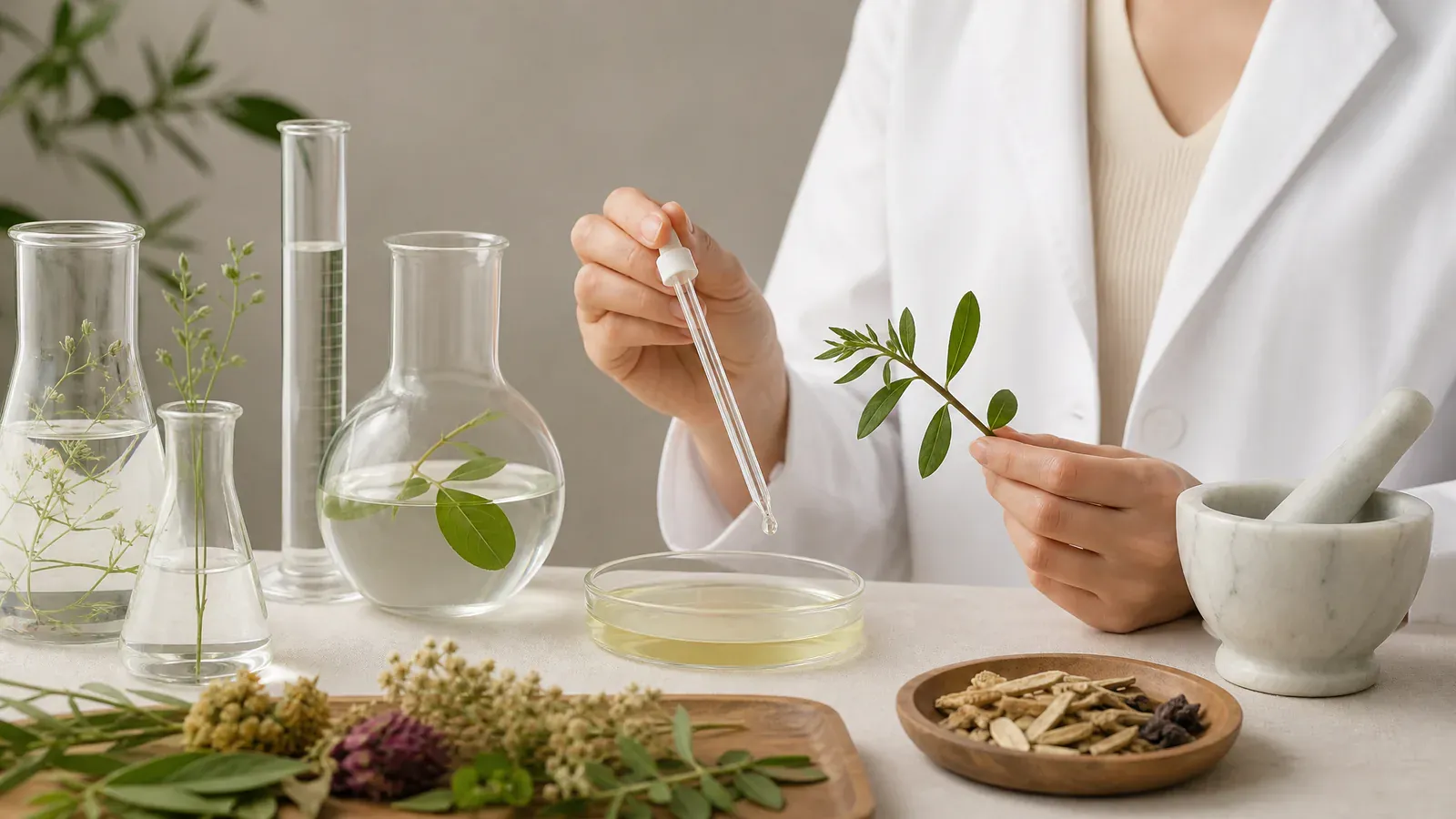
There is a significant and growing interest in the use of botanicals in the skincare and cosmetic product arena. This trend reflects a broader consumer preference for natural and plant-derived ingredients, driven by perceptions of safety and efficacy rooted in traditional medicine and a desire for more holistic approaches to skincare. The market for commercially available natural products has expanded dramatically, with a vast number of herbal extracts now being marketed for their potential cosmetic benefits.
Herbal extracts offer a diverse range of potential functionalities for the skin due to the complex array of bioactive molecules they contain. These molecules, often secondary metabolites produced by plants for protection or nutrient storage, can possess antioxidant, anti-inflammatory, antimicrobial, and other properties that are appealing for skincare applications. Key classes of these compounds include terpenoids, alkaloids, and phenolics, which have been chemically characterised for their various biological effects.
One area of particular interest is the potential of herbal extracts in addressing photoaging. Given that UV radiation is a major source of free radical damage, the antioxidant properties of many botanicals make them promising candidates for protecting the skin against the effects of sun exposure. Several herbal extracts, such as coffeeberry, date palm kernel, oat, and soy, have been studied for their effects on photoaged skin.
Despite the increasing popularity of botanicals, careful formulation is paramount to ensure both the efficacy and safety of products containing these ingredients. Herbal extracts are complex mixtures, and the concentration and quality of active compounds can vary significantly depending on factors such as the plant species, growing conditions, harvesting methods, and extraction processes. Therefore, standardisation of extracts is crucial to ensure batch-to-batch consistency in product performance.
Ideally, finished products containing herbal ingredients should undergo rigorous testing for both efficacy and safety. While there is a perception that natural ingredients are inherently safe, this is not always the case. Some botanicals can cause skin irritation, allergic reactions, or phototoxicity. For example, certain plant-derived compounds like bergapten found in bergamot oil can increase the skin’s sensitivity to sunlight, leading to phototoxic reactions. Allergic contact dermatitis to various plant extracts, including those from the Compositae family, tea tree oil, and propolis, is also well-documented.
Currently, there are no specific safety requirements for cosmeceuticals, including those based on botanicals. Therefore, responsible cosmetic companies should adhere to best corporate practices and conduct thorough safety studies on all herbal products. The incidence of dangerous adverse reactions to herbal medicines may be infrequent, but the growing use of these ingredients necessitates careful vigilance. A significant portion of the population reports having sensitive skin, which may be more prone to reacting to certain botanical ingredients.
A major challenge in utilising the potential benefits of botanicals in skincare is the effective delivery of therapeutic concentrations of active ingredients across the stratum corneum. The skin’s barrier function is designed to prevent the penetration of foreign substances, and the diverse physicochemical properties (solubility, polarity, size) of the many secondary metabolites within herbal extracts can hinder their absorption. Soothing mucilage or occlusive components of some botanicals may function by remaining on the skin surface, but for other active compounds to exert their effects on deeper skin layers, strategies to enhance percutaneous penetration may be required.
The regulatory landscape for botanical ingredients in cosmetics is also an important consideration. In the United States, the Food and Drug Administration (FDA) regulates cosmetics under the Federal Food, Drug, and Cosmetic Act, which prohibits the marketing of adulterated or misbranded products. Mislabeling, including making false or misleading claims, is illegal. While some ingredients used in cosmeceuticals may overlap with over-the-counter (OTC) drug monographs (e.g., for acne or sunscreens), cosmetics can only claim to temporarily improve appearance, not to treat or prevent disease. The FDA is increasingly scrutinising products that make drug claims, including those based on botanical ingredients. In conclusion, botanicals represent a rich source of potentially beneficial ingredients for cosmetic applications, and consumer interest in these natural alternatives continues to rise. However, the complexity of herbal extracts necessitates careful attention to formulation, standardisation, and rigorous safety and efficacy testing. Navigating the regulatory environment and ensuring effective delivery of active compounds across the skin barrier are also crucial considerations for formulators working with botanical ingredients.