Distinguishing Between the Scientific Basis and Marketing Claims Surrounding Cosmeceutical Products
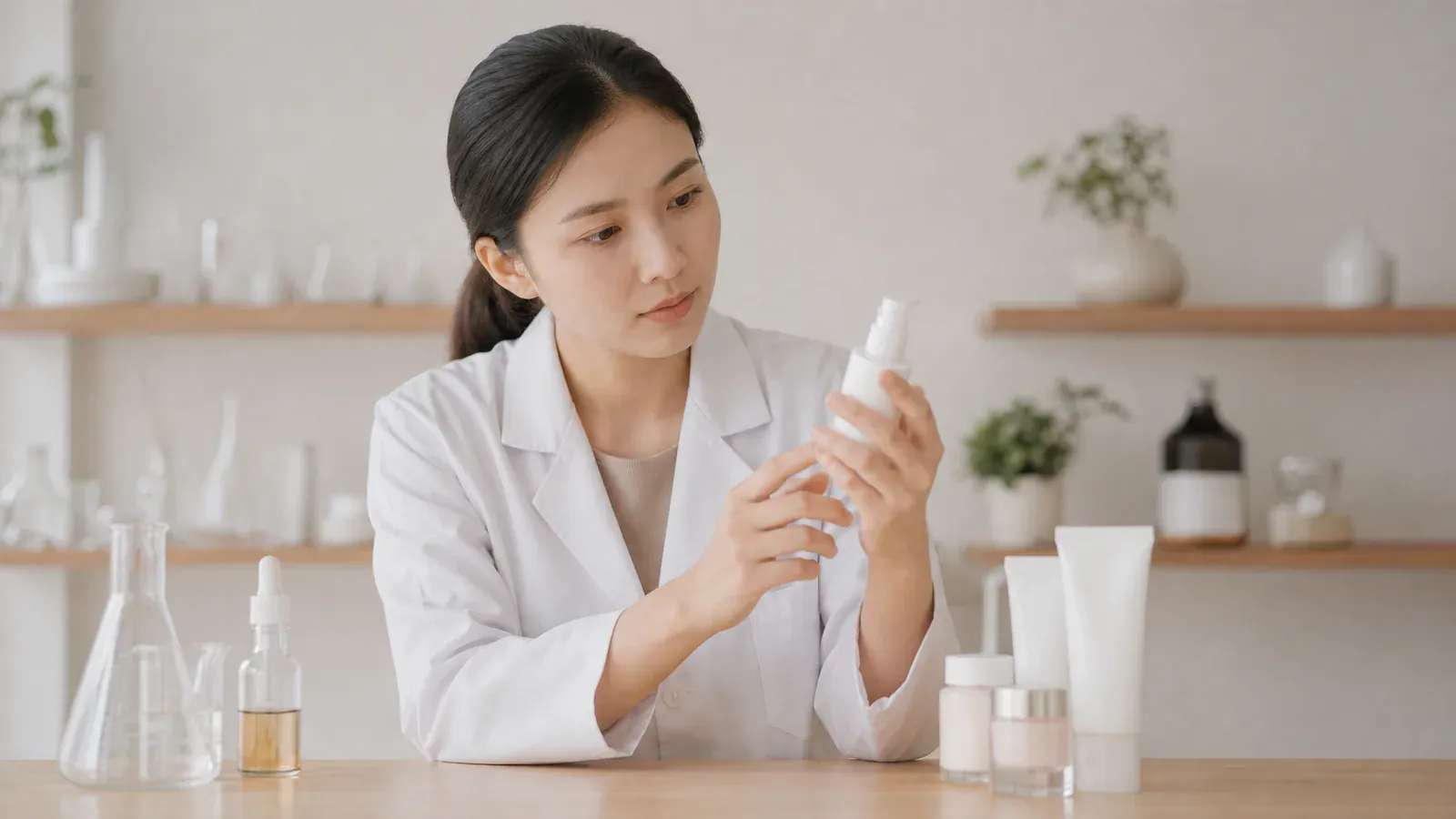
Distinguishing between the scientific basis and marketing claims surrounding cosmeceutical products is crucial for both practitioners and consumers. While some cosmeceuticals are supported by rigorous scientific studies demonstrating their efficacy, much of the information surrounding these products can be hearsay and non-data-based marketing information. The increasing requests from patients for guidance on cosmeceuticals highlight the essential need for dermatologists and other healthcare professionals to understand this body of information critically.
The preface of the source material notes that cosmetic dermatology has evolved into a field unto itself, and the lack of a defined knowledge base has been addressed by comprehensive texts on the subject. This underscores the importance of evidence-based understanding rather than relying solely on marketing narratives. It is also highlighted that unless photoaging is treated with effective skincare and photoprotection, cosmetic surgical procedures will not have their optimal outcome, positioning cosmeceuticals as integral to this process. However, the caveat remains that while some rigorous studies exist, a significant portion of the information is not scientifically substantiated.
Marketing claims for cosmeceuticals often focus on terms like “anti-aging,” “rejuvenating,” “wrinkle reduction,” and “skin repair.” While some products containing active ingredients like retinoids, hydroxyacids, peptides, and antioxidants have demonstrated these effects in controlled clinical trials, many other products, especially those featuring “exotic” or “fad” ingredients, may add these at sub-therapeutic doses primarily for marketing purposes. Little may be known about the actual efficacy and safety of many such ingredients.
A major challenge in evaluating the efficacy of cosmeceuticals is the delivery of therapeutic concentrations of active ingredients across the stratum corneum. The skin barrier is designed to prevent the penetration of foreign substances, and even well-established active ingredients like peptides face hurdles related to skin penetration, stability, and potential for biological activity interference upon modification for better delivery. Therefore, claims of significant effects from topically applied ingredients must be scrutinised for evidence of effective delivery mechanisms.
Regulatory aspects also play a role in distinguishing between scientific basis and marketing claims. In the United States, the Food and Drug Administration (FDA) regulates skin care products and cosmetics, including cosmeceuticals, under the CFR Title 21 – Food Drugs & Cosmetic Act. These products are not supposed to harm the public, and mislabeling, defined as using false or misleading information or failing to include required information on the label, is illegal. While cosmetics can only claim to temporarily improve appearance, products claiming to affect gene expression or DNA are scrutinised as drugs. The FDA is increasingly monitoring marketing claims, including those on social media, and has issued warning letters for making unapproved drug claims. This regulatory oversight aims to prevent misleading marketing of cosmeceuticals.
To help separate scientifically based and effective herbal-based cosmeceuticals from products lacking evidence, practitioners should ask critical questions before recommending or retailing any particular brand. These questions should focus on whether the herb has a history of safe and effective use, if the product uses standardised extracts with known concentrations of active compounds, and if there is scientific evidence from well-designed studies supporting the claimed benefits. The presence of in vitro, ex vivo, and, most importantly, vehicle-controlled clinical tests documenting the bioactivity and efficacy of the finished product is a strong indicator of a scientific basis beyond marketing claims. The level of confidence in efficacy claims can be further assessed by considering factors like statistical significance (p-value) and the demonstration that the observed positive results are reproducible. In conclusion, navigating the world of cosmeceuticals requires a discerning eye to differentiate between scientifically validated benefits and exaggerated marketing claims. Practitioners and consumers should prioritise products with transparent formulations, evidence-based efficacy data from well-controlled studies, and compliance with regulatory guidelines. By critically evaluating the claims made and understanding the scientific basis (or lack thereof) for active ingredients and delivery systems, informed decisions can be made to select cosmeceuticals that are truly effective in improving the appearance of aging skin.