Cosmetics and skincare considerations for sensitive skin
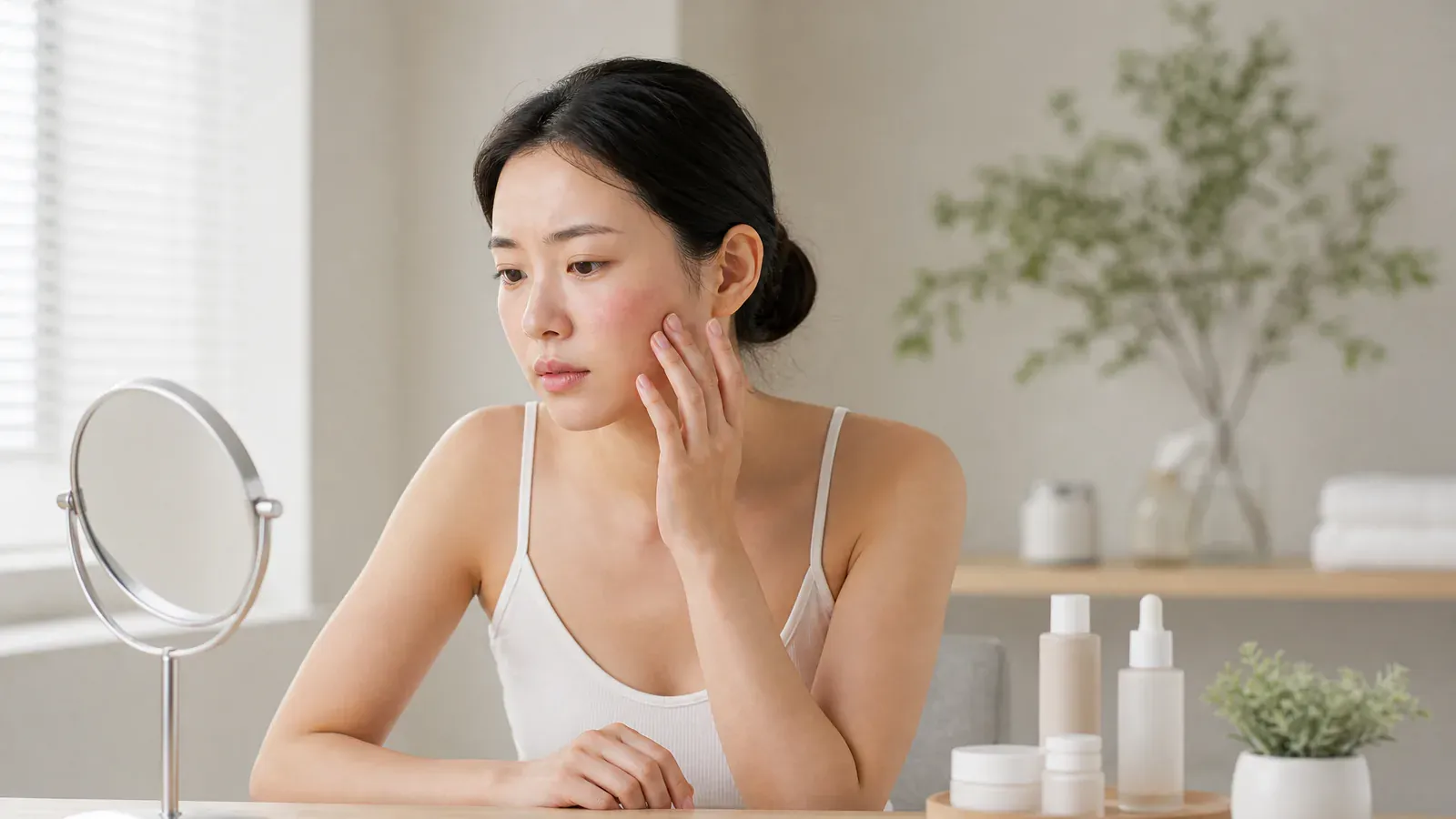
Sensitive skin is a common concern characterised by a heightened tendency to experience adverse reactions to topical products, environmental factors, or even internal stimuli. Individuals with sensitive skin may report symptoms such as stinging, burning, itching, redness, and dryness in response to triggers that do not typically affect those with normal skin. In cosmetic dermatology, understanding the specific needs and sensitivities of this skin type is crucial for recommending appropriate skincare products and routines that minimise irritation and support skin health.
The underlying cause of sensitive skin is often a compromised epidermal barrier function. As discussed earlier, the stratum corneum acts as a protective shield. In sensitive skin, this barrier may be thinner, less cohesive, or have a disrupted lipid composition, making it more permeable to irritants and allergens. Increased transepidermal water loss can also contribute to dryness and exacerbate sensitivity.
Therefore, the primary focus of skincare for sensitive skin is to gently cleanse and effectively moisturise to support and repair the skin barrier. Harsh cleansers containing strong surfactants, such as sodium lauryl sulfate (SLS) and sodium laureth sulfate (SLES), should be avoided as they can strip the skin of its natural oils and further compromise the barrier, leading to irritation. Mild, soap-free cleansers or syndet-based cleansers with a neutral or slightly acidic pH are generally recommended. These are less likely to disrupt the skin’s delicate balance and are more suitable for sensitive individuals.
Moisturisation is equally important for sensitive skin. Emollients and occlusives help to soothe and protect the skin, while humectants draw moisture into the stratum corneum. Fragrance-free and hypoallergenic moisturisers with minimal ingredients are often preferred to reduce the risk of allergic reactions. Ingredients like ceramides, niacinamide, and panthenol, which are known to support barrier function and reduce inflammation, can be particularly beneficial for sensitive skin.
When selecting cosmetic products for sensitive skin, it is essential to avoid known irritants and potential allergens. Common culprits include:
Fragrances: These are a leading cause of cosmetic contact dermatitis. Opting for fragrance-free products is crucial.
Preservatives: Certain preservatives, such as parabens, methylchloroisothiazolinone (MCI), and methylisothiazolinone (MI), can be irritating to sensitive skin.
Certain dyes and colorants: These can also trigger reactions in susceptible individuals.
Harsh exfoliants: Both physical and chemical exfoliants should be used with caution and at lower frequencies or concentrations on sensitive skin. Abrasive scrubs and high concentrations of AHAs or BHAs can cause significant irritation.
Alcohol-based products: Alcohol can be drying and irritating to sensitive skin.
A minimalist approach to skincare is often best for sensitive skin. Introducing new products one at a time allows for the identification of any potential irritants. Patch testing a small area of skin before applying a new product to the entire face or body can also help to predict adverse reactions.
Sun protection is crucial for all skin types, including sensitive skin. However, some chemical sunscreen filters can be irritating. Physical sunscreens containing zinc oxide and titanium dioxide are generally better tolerated as they sit on the skin surface rather than being absorbed. Look for formulations that are also fragrance-free and specifically labelled for sensitive skin.
Individuals with sensitive skin should also be mindful of external factors that can exacerbate their condition. These include extreme temperatures, harsh weather conditions, and certain fabrics. Gentle handling of the skin, avoiding excessive rubbing or scrubbing, is also important. In summary, managing sensitive skin with cosmetics and skincare requires a focus on gentle cleansing, effective moisturization with barrier-repairing ingredients, and the avoidance of known irritants and potential allergens, particularly fragrances and harsh preservatives. A minimalist approach and careful selection of fragrance-free and hypoallergenic products are key to maintaining healthy and comfortable skin.