Comparing Rosacea and Acne- Key Differences and Treatment Strategies
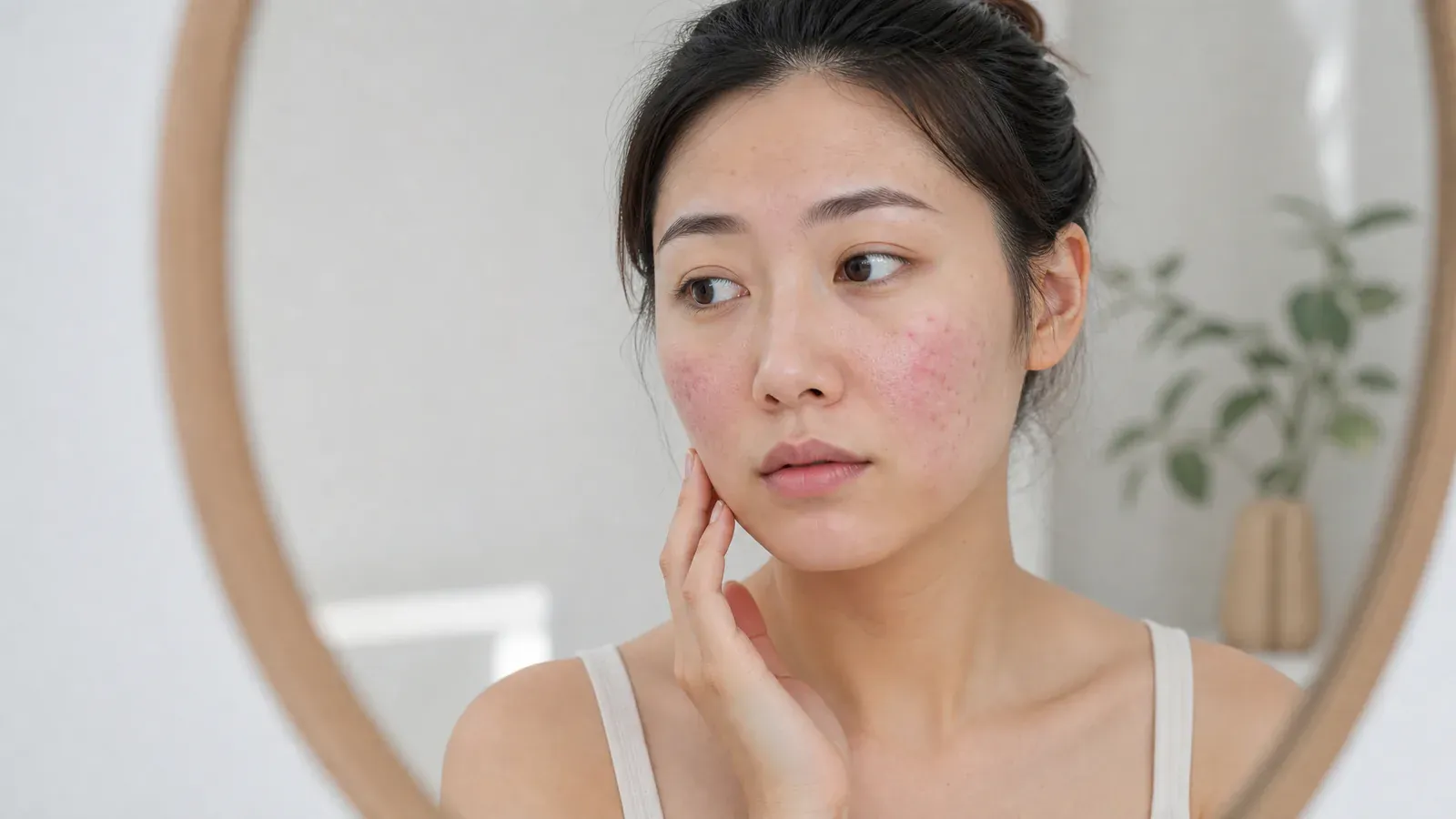
Rosacea and acne are both common skin conditions that frequently lead to significant distress due to their cosmetic impact. Although they can exhibit similar visual symptoms, they are distinct conditions necessitating different treatment approaches. This article will delve into a detailed comparison of rosacea and acne, focusing on their symptoms, causes, and the most effective treatment options available.
Understanding Rosacea
Rosacea is a chronic skin disorder primarily affecting the facial region. It is characterized by redness, flushing, and visible blood vessels. In some cases, rosacea can lead to the development of small, red, pus-filled bumps. It is most commonly found in fair-skinned individuals and often appears after the age of 30.
Symptoms of Rosacea
– Persistent facial redness or erythema
– Flushing or blushing easily
– Visible blood vessels or spider veins
– Papules and pustules resembling acne
– Burning or stinging sensations
– Eye irritation, known as ocular rosacea
– Rhinophyma (thickening of the skin on the nose) in severe cases
Causes of Rosacea
The exact cause of rosacea remains unclear, but it is believed to result from a combination of genetic and environmental factors. Some potential contributors include:
– Genetic predisposition
– Immune system dysregulation
– Microorganisms such as Demodex mites and Helicobacter pylori bacteria
– Environmental triggers like UV exposure, extreme temperatures, or wind
– Dietary factors including spicy foods and alcohol
– Emotional stress
Effective Treatments for Rosacea
Effective management of rosacea involves identifying and avoiding individual triggers while incorporating appropriate medical treatments. Not all treatments work for everyone, so it may require some experimentation and consultation with a healthcare professional. Some common treatments include:
– Topical Medications: Metronidazole, azelaic acid, or ivermectin creams or gels can reduce papules, pustules, and inflammation.
– Oral Antibiotics: Doxycycline is often prescribed for moderate to severe rosacea for its anti-inflammatory properties.
– Laser Therapy: Laser and light-based treatments can effectively reduce the visibility of blood vessels and redness.
– Lifestyle Modifications: Avoiding known triggers, such as certain foods or sun exposure, and using gentle skin care products can help manage symptoms.
Understanding Acne
Acne is primarily an inflammatory condition of the pilosebaceous units (hair follicles and their associated oil glands) and can affect both adolescents and adults. It manifests mainly as pimples, cysts, and blackheads and commonly appears on the face, back, and shoulders.
Symptoms of Acne
– Blackheads (open comedones)
– Whiteheads (closed comedones)
– Papules (small, red, raised bumps)
– Pustules (pus-filled lesions)
– Nodules and cysts (painful, larger lumps under the skin)
Causes of Acne
Acne is typically driven by hormonal changes, especially those occurring during puberty, but several other factors may contribute:
– Excess oil production by the sebaceous glands
– Follicular hyperkeratinization (abnormal shedding of skin cells)
– Bacterial colonization, particularly by Cutibacterium acnes
– Hormonal fluctuations, including those linked to menstrual cycles and the use of certain medications
– Genetic predisposition
– Dietary factors, such as high-glycemic foods and dairy products
Effective Treatments for Acne
Successful acne management often involves a combination of treatments tailored to the individual’s skin type and the severity of their condition:
– Topical Retinoids: Tretinoin, adapalene, and tazarotene help unclog pores and reduce inflammation.
– Topical Antibiotics and Antimicrobials: Clindamycin and benzoyl peroxide can reduce microbial growth and inflammation.
– Oral Antibiotics: For moderate to severe acne, tetracyclines such as doxycycline or minocycline are commonly prescribed.
– Hormonal Treatments: Oral contraceptives and anti-androgens like spironolactone can be effective for some women.
– Isotretinoin: This powerful medication is reserved for severe cystic acne that is resistant to other treatments.
Differentiating Between Rosacea and Acne
While there is some symptom overlap between rosacea and acne, paying attention to specific characteristics can help differentiate between the two:
– Age of Onset: Acne often starts during the teenage years, whereas rosacea commonly appears after age 30.
– Location and Appearance: Acne can occur on various parts of the body, whereas rosacea predominantly affects facial skin and often includes persistent redness and flushing.
– Triggers: Rosacea is more sensitive to environmental triggers like temperature changes and dietary factors, whereas acne is more influenced by hormonal changes.
– Presence of Blackheads/Whiteheads: These are common in acne but not typically found in rosacea.
Although rosacea and acne may present similar symptoms, understanding their distinct causes and manifestations is crucial for effective treatment. The key to managing both conditions lies in accurate diagnosis and tailored treatment plans. Consulting with dermatologists ensures that individual factors are considered and the most effective therapies are chosen. By distinguishing between the conditions and understanding their unique characteristics, individuals can better manage their skin health and achieve clearer, healthier skin.