Building a Rosacea-Friendly Makeup Routine
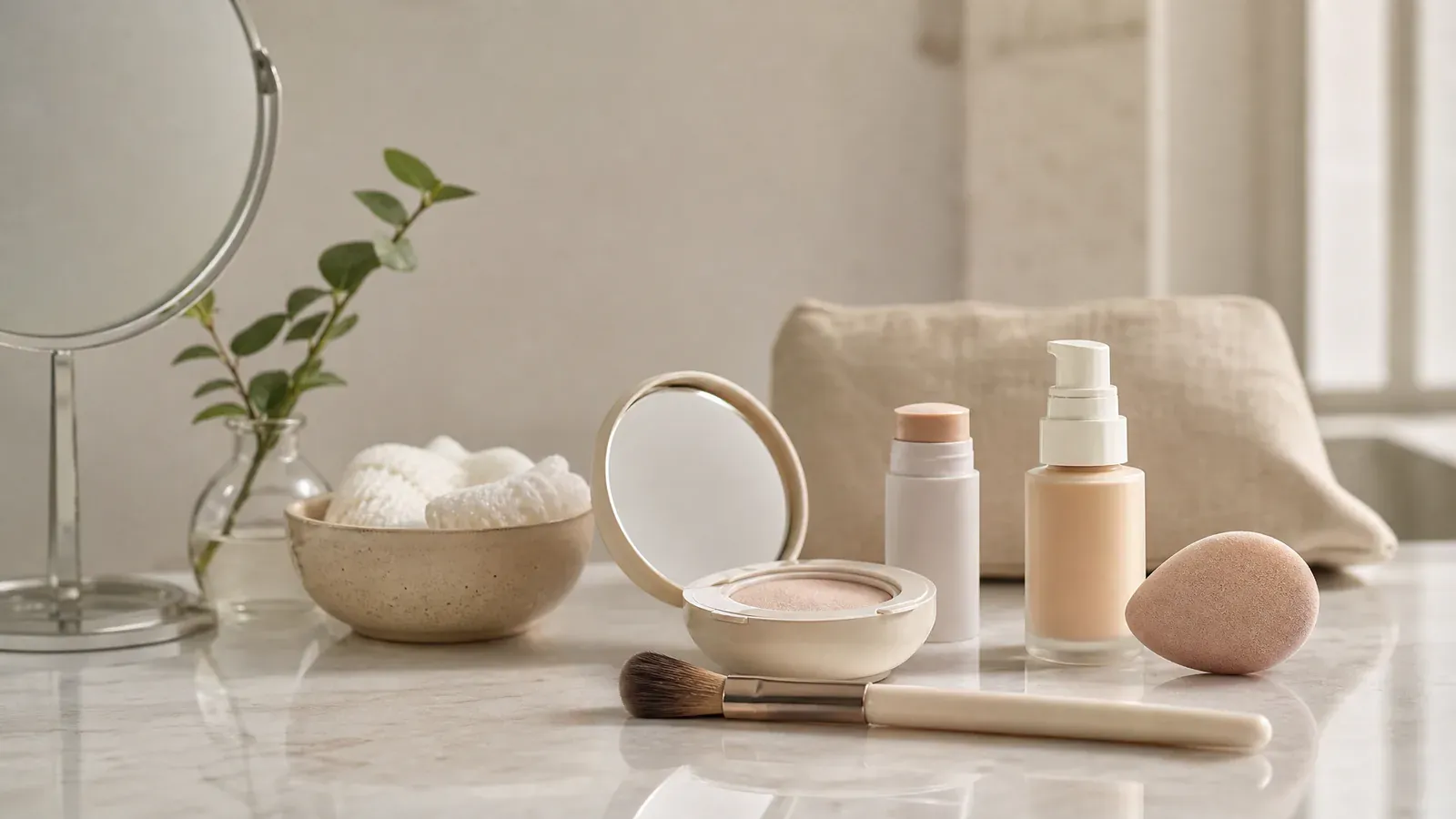
Rosacea is a chronic skin condition characterized by redness, swelling, and visible blood vessels, primarily on the face. For individuals living with rosacea, selecting and applying cosmetics that won’t aggravate symptoms can be challenging. However, with the right tips and strategies, makeup can be a powerful tool to enhance natural beauty without irritating sensitive skin. This article offers expert advice on selecting cosmetics suitable for rosacea-prone skin and guidelines on how to apply them effectively to avoid flare-ups.
Understanding Rosacea
Before delving into cosmetic selection, it’s crucial to understand what triggers rosacea. Common triggers include sun exposure, stress, hot beverages, spicy foods, and certain skincare or cosmetic products. While triggers vary, choosing hypoallergenic, fragrance-free, and non-comedogenic products tends to reduce the risk of irritation.
Tips for Selecting Cosmetics
1. Opt for Mineral Makeup:
Mineral makeup is often recommended for individuals with rosacea as it typically contains less harmful preservatives and fragrances. Ingredients like zinc oxide and titanium dioxide, found in mineral makeup, also offer a natural sunblock, providing extra protection to sensitive skin.
2. Hypoallergenic and Fragrance-Free Products:
Always look for products labeled as hypoallergenic and fragrance-free. Fragrances are common irritants that can exacerbate rosacea symptoms, leading to increased redness and discomfort.
3. Green-Tinted Primers and Foundations:
To counteract redness, consider using a green-tinted primer or foundation. The green pigment helps neutralize redness, offering a more even skin tone. Ensure that these products are specifically designed for sensitive skin.
4. Non-Comedogenic Formulas:
Non-comedogenic products do not clog pores and help prevent breakouts. Since individuals with rosacea often have sensitive and reactive skin, these products can limit irritation.
5. Avoid Alcohol and Astringents:
Steer clear of cosmetics containing alcohol or astringents, as these can dry and irritate the skin, triggering rosacea flare-ups.
6. Patch Testing:
Always perform a patch test on a less-visible area of the skin before using a new product. This can help determine if a product will cause irritation without committing to use it on the entire face.
Application Tips
1. Cleanse and Moisturize:
Begin with a gentle cleanse and apply a soothing moisturizer suitable for sensitive skin. A well-hydrated base can prevent makeup from settling into fine lines or dry patches, which can accentuate redness.
2. Apply Primer First:
Using a primer specifically designed for rosacea-prone skin can create a smooth surface, allowing makeup to adhere better while providing a barrier between the skin and makeup.
3. Use Brushes and Sponges Lightly:
Be gentle when applying makeup with brushes or sponges. Vigorous application can exacerbate redness and irritation. Opt for a damp beauty sponge, pressing the makeup into the skin rather than dragging it across the surface.
4. Layer for Full Coverage:
Gradually build coverage to avoid a caked-on look. Begin with a green-tinted primer, followed by a lightweight foundation, and finish with a concealer to address any visible redness or blemishes.
5. Set with a Powder:
Use a translucent setting powder to keep makeup in place, enhance longevity, and reduce shine. Mineral-based powders are recommended due to their gentle composition.
6. Avoid Excessive Makeup:
Less is more when it comes to rosacea. Avoid heavy layers of makeup, as they can suffocate the skin and lead to increased irritation over the day.
Safe Ingredients to Consider
1. Aloe Vera:
Known for its soothing properties, aloe vera can help calm inflamed skin without causing further irritation.
2. Chamomile and Green Tea Extracts:
These natural ingredients are anti-inflammatory and can reduce redness effectively. Look for formulations that incorporate these extracts.
3. Niacinamide:
A derivative of Vitamin B3, niacinamide has been shown to reduce inflammation and improve skin barrier function, making it a beneficial ingredient for rosacea-prone skin.
Professional Advice
If you are uncertain about which products to use, consider consulting a dermatologist. They can provide personalized recommendations and might suggest medical treatments or procedures that can complement your cosmetic regimen, offering enhanced protection against rosacea symptoms.
Additional Lifestyle Tips
Beyond cosmetics, incorporate lifestyle changes to help manage rosacea. Protect your skin from extreme environmental conditions – use a broad-spectrum sunscreen with an SPF of at least 30, and wear a hat when exposed to sunlight. Consider keeping a diary to track potential triggers and avoid foods or beverages known to provoke symptoms. Lastly, practice stress-reducing activities such as yoga or meditation, which can decrease the frequency and intensity of flare-ups.
In conclusion, with the right approach to selecting and applying cosmetics, individuals with rosacea can enhance their appearance without aggravating symptoms. Prioritize gentle, high-quality products and application techniques that cater to sensitive skin, and complement your cosmetic routine with lifestyle strategies to effectively manage this persistent condition.