Alcohol and Rosacea- Why Drinking Triggers Flare-Ups
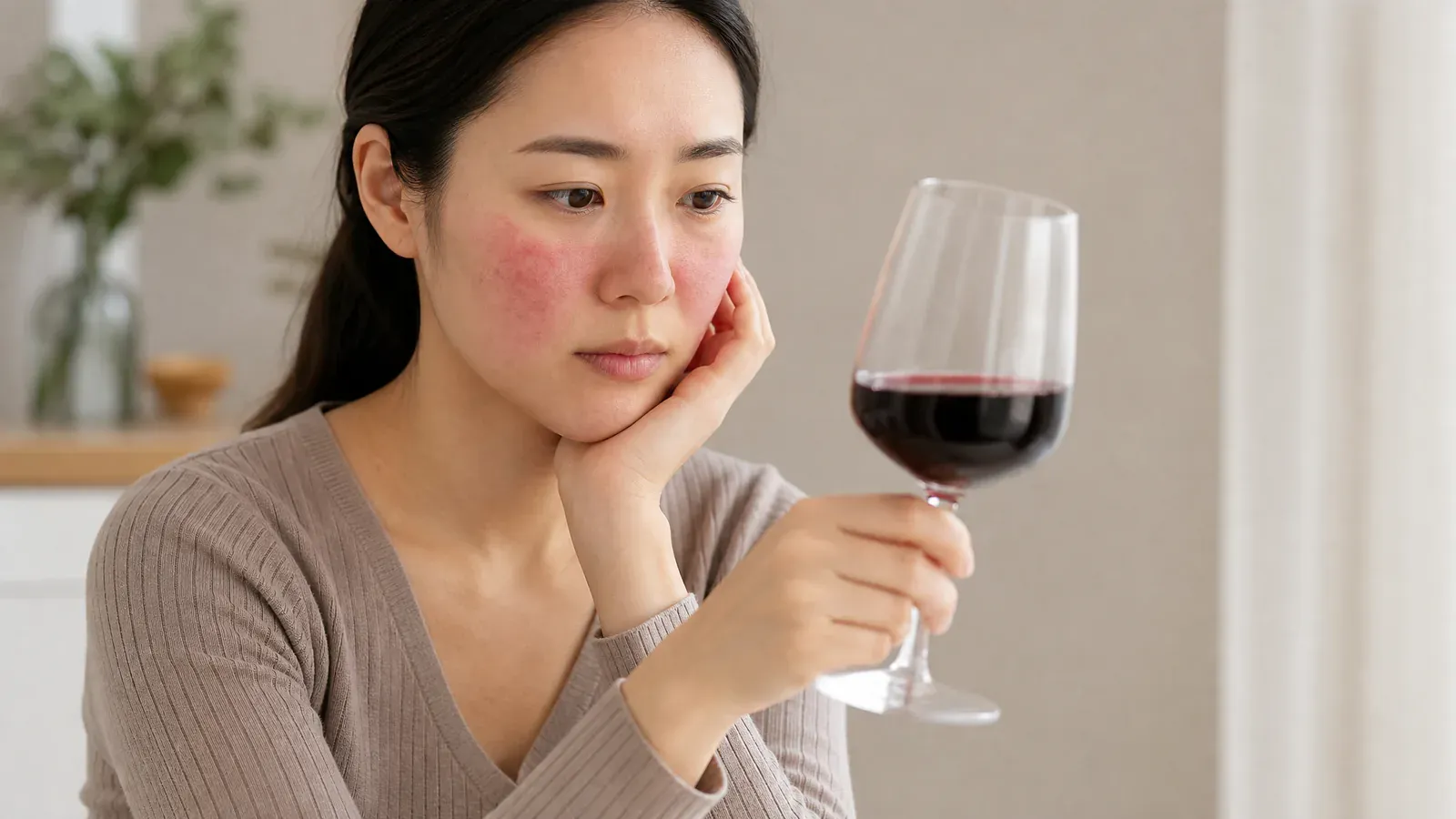
Rosacea is a common yet often misunderstood skin condition that affects millions of individuals worldwide. Characterized by facial redness, visible blood vessels, and in some cases, acne-like spots, rosacea is known for its pattern of remissions and flare-ups. Various factors can trigger these flare-ups, and one of the most significant is the consumption of alcohol. Understanding how different types of alcohol can affect those with rosacea is essential for managing this chronic skin condition. In this article, we discuss the relationship between alcohol and rosacea flare-ups and delve into the science behind why certain beverages might exacerbate the condition.
Understanding Rosacea: A Brief Overview
Before exploring how alcohol impacts rosacea, it’s crucial to understand the basics of the condition. Rosacea affects the skin, most often the face, causing a red, flushed appearance, and possibly causing swelling and visible blood vessels. While the exact cause of rosacea remains unknown, it is believed to be a combination of genetic, environmental, and lifestyle factors. Various triggers are known to exacerbate rosacea for many individuals, including heat, stress, certain foods, and beverages—including alcohol.
The Role of Alcohol in Rosacea Flare-Ups
Alcohol is a well-documented trigger for rosacea flare-ups. Scientific studies and surveys conducted among rosacea patients consistently report alcohol as a common cause of flare-ups, with red wine being the most frequently mentioned offending beverage. When consumed, alcohol can act as a vasodilator, meaning it widens blood vessels. For individuals with rosacea, whose blood vessels are already near the surface of the skin, this can lead to increased redness and flushing.
Types of Alcohol and Their Impact
1. Red Wine: Red wine is often reported as the most common alcoholic trigger for rosacea. Its high levels of histamine and tannins can provoke flushing and redness more so than other alcoholic beverages. Moreover, red wine contains certain compounds that directly stimulate the dilation of blood vessels, intensifying the visible symptoms of rosacea.
2. White Wine: While not as notorious as red wine, white wine can still trigger flare-ups in some individuals. It contains sulfites, which are used as preservatives and can aggravate rosacea symptoms. Although it has fewer tannins than red wine, its contribution to vasodilation is still significant enough to cause concerns for rosacea sufferers.
3. Beer: Beer is another alcoholic beverage that some rosacea patients have identified as a trigger. It contains histamines and other compounds that can cause the blood vessels to enlarge, resulting in more pronounced flushing.
4. Spirits (Distilled Liquors): Distilled liquors such as vodka, gin, rum, and whiskey represent potential triggers but often vary widely in their effects on individuals with rosacea. The higher alcohol content of these drinks means they can more rapidly induce the flushing response in sensitive individuals. However, some people with rosacea find that spirits cause fewer problems than wine or beer, depending on personal tolerance and specific ingredients.
Scientific Insights into Alcohol and Rosacea
The relationship between alcohol and rosacea is due in part to the physiological effects of alcohol on the body’s systems. As a vasodilator, alcohol increases blood flow in the superficial blood vessels, which is particularly problematic for rosacea sufferers whose capillaries are already compromised. Alcohol also heightens the secretion of inflammatory mediators like cytokines, which can exacerbate inflammation and rosacea symptoms.
Furthermore, individuals with rosacea may have a deficiency in enzymes like aldehyde dehydrogenase, which are involved in metabolizing alcohol. This deficiency can lead to higher levels of acetaldehyde, a compound that contributes to the flushing and warming sensation associated with alcohol consumption.
Managing Rosacea with Alcohol Consumption
For those living with rosacea, completely avoiding alcohol might not be necessary, but moderation and careful choice of beverages can help manage symptoms. Here are some strategies to consider:
– Track Triggers: Keeping a food and drink diary can help identify specific alcohol-related triggers or patterns of flare-ups.
– Choose Wisely: If red wine triggers your rosacea, try replacing it with white wine or spirits and monitor any changes.
– Limit Intake: Consuming alcohol in moderation and staying within recommended guidelines can minimize flare-up potential.
– Hydration is Key: Drinking water alongside alcoholic beverages can dilute the effects of alcohol and may help in reducing the chance of a flare-up.
– Consult a Dermatologist: A healthcare provider can offer personalized advice and treatment options tailored to managing rosacea effectively.
Conclusion
In conclusion, while alcohol can indeed trigger rosacea flare-ups, awareness and proactive strategies around alcohol consumption can mitigate its effects. For those suffering from rosacea, understanding the specific impacts of different alcoholic beverages is crucial. Personal tolerance levels vary, and keeping informed about how each type of alcohol can influence rosacea symptoms allows individuals to enjoy social occasions with reduced concern of triggering a flare-up. Balancing lifestyle choices with medical advice remains the key to managing rosacea effectively. With the right approach, individuals can minimize flare-ups and maintain a more comfortable and confident lifestyle.