Adapting Skincare Regimens to Seasonal Changes for Rosacea Management
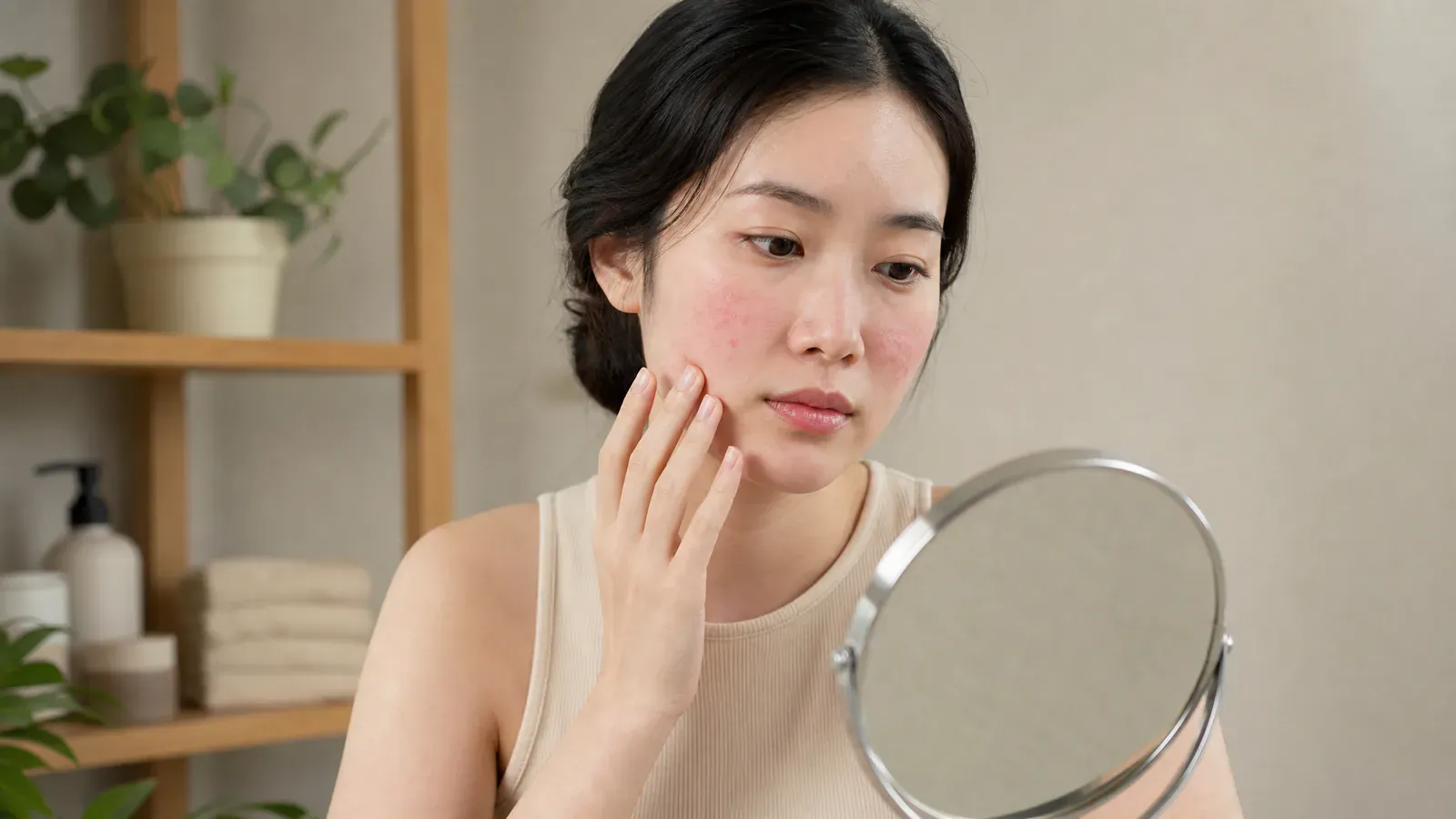
Rosacea is a chronic skin condition that primarily affects facial skin, causing redness, visible blood vessels, and sometimes pimples. Its exact cause is not entirely clear, though it is believed to involve a combination of hereditary and environmental factors. One crucial aspect of managing rosacea effectively is adapting skincare practices and routines according to seasonal changes. Different weather conditions can either alleviate or exacerbate rosacea symptoms, making it imperative to tailor skincare regimens accordingly.
Understanding Rosacea and Its Triggers
Before diving into how seasonal changes affect rosacea, it’s important to understand some common triggers that can worsen the condition. These include sun exposure, wind, stress, hot or cold weather, alcohol consumption, and spicy foods. It is essential for individuals with rosacea to identify their specific triggers and avoid them whenever possible.
Impact of Seasonal Changes on Rosacea
Seasonal changes can play a significant role in how rosacea manifests and progresses. Each season brings different environmental conditions that can impact skin health in distinct ways.
1. Spring
– Impact: While it may bring warmth and sunshine, spring can also introduce allergens such as pollen, which can trigger flare-ups.
– Skincare Tips: Focus on using hypoallergenic skincare products. Implement a gentle skincare routine that includes a mild cleanser and a lightweight, non-irritating moisturizer. As sun exposure increases, applying a broad-spectrum sunscreen with at least SPF 30 is essential. Opt for sunscreens that are formulated for sensitive skin to avoid irritation.
2. Summer
– Impact: High temperatures and humidity levels can increase sweat production, leading to clogged pores and potential aggravation of rosacea symptoms.
– Skincare Tips: Choose oil-free, non-comedogenic products to minimize pore blockage. Consistent use of sunscreen becomes even more vital in summer months. Stay hydrated to help maintain skin moisture balance and use lightweight, water-based moisturizers. It is a good practice to stay indoors during peak sun hours to minimize exposure.
3. Fall
– Impact: The transition to cooler temperatures can lead to drier skin, as well as heightened exposure to wind, both contributing to rosacea flare-ups.
– Skincare Tips: Introduce heavier moisturizing creams to combat dryness. Using products that contain ingredients like hyaluronic acid can help retain moisture. As humidity levels drop, consider using a humidifier indoors to maintain a skin-friendly environment.
4. Winter
– Impact: Cold, dry air and indoor heating can deplete skin moisture, leading to increased sensitivity and irritation.
– Skincare Tips: During the colder months, layering skincare products can be beneficial. Start with a serum rich in antioxidants, such as vitamin C or E, followed by a barrier-repair moisturizer. Consider incorporating products containing ceramides to support skin health. It’s also crucial to maintain hydration levels by drinking ample water.
General Skincare Practices for Rosacea
Regardless of the season, individuals with rosacea should focus on establishing a gentle, consistent skincare routine that addresses their specific skincare needs. Here are some general practices to help manage rosacea:
– Cleansing: Use a mild, sulfate-free cleanser to gently cleanse the skin twice daily. Hot water should be avoided as it can exacerbate redness, so use lukewarm water instead.
– Moisturizing: Moisturization helps to strengthen the skin barrier and reduce irritation. Select products that are free from alcohol, fragrances, or other potential irritants.
– Sun Protection: Sun exposure is a well-known trigger for rosacea, so wearing sunscreen daily is critical. Choose physical sunscreens containing zinc oxide or titanium dioxide, which are less likely to irritate sensitive skin.
– Avoid Irritants: Fragrant soaps, scrubs, alcohol-based cleansers, and products containing menthol or peppermint can induce flare-ups and should be avoided.
– Lifestyle Modifications: Alongside tailored skincare routines, certain lifestyle changes can support overall skin health. Managing stress through techniques such as yoga or meditation can help minimize flare-ups. Monitoring diet and avoiding known trigger foods can reduce symptomatic outbreaks.
Consulting with Healthcare Professionals
While adapting skincare practices to seasonal changes is beneficial, consulting with a dermatologist or skincare professional is advisable for a comprehensive treatment plan. Professionals can provide personalized recommendations and suggest treatments such as topical antibiotics or laser therapy to manage more severe symptoms effectively.
In conclusion, seasonal changes can significantly impact rosacea, but proactive skincare and lifestyle adjustments can help mitigate these effects. By understanding the specific needs of your skin and working closely with healthcare providers, you can manage rosacea more effectively and maintain healthier skin throughout the year. Emphasizing gentle, protective habits and adjusting to the environmental demands of each season will lead to significant improvements in skin health and overall well-being.