Brightening Your Complexion – Addressing Hyperpigmentation with ZO
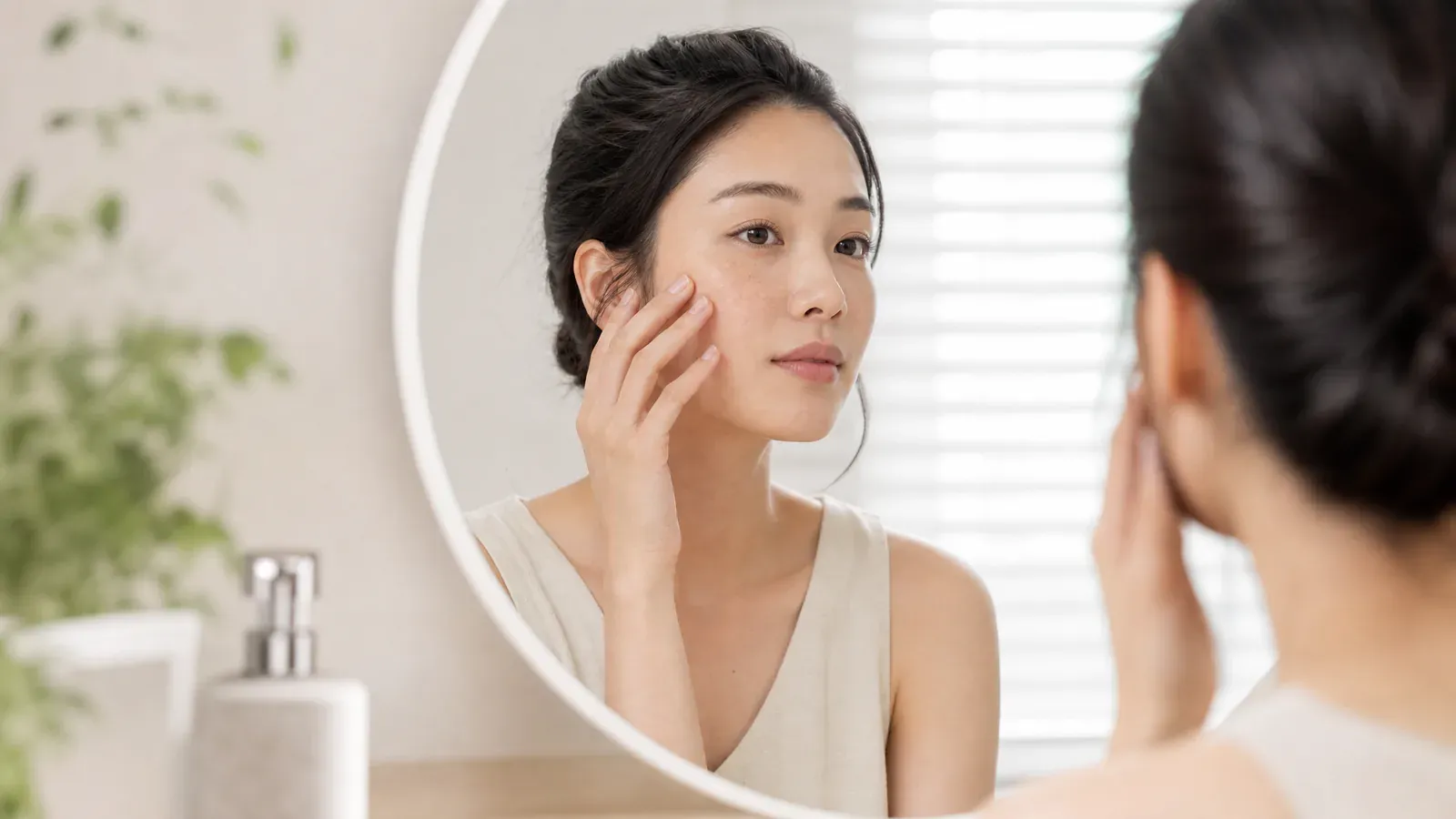
Uneven skin tone and the appearance of dark spots can be a significant concern for many individuals seeking a radiant and healthy complexion. Hyperpigmentation, a common skin condition where patches of skin become darker than the surrounding skin, can arise from a variety of factors. ZO Skin Health offers a comprehensive and science-backed approach to address hyperpigmentation, aiming to brighten the complexion, fade existing discoloration, and prevent future pigment formation.
Understanding Hyperpigmentation
Hyperpigmentation occurs due to an overproduction of melanin, the pigment responsible for skin colour. This excess melanin can cluster in certain areas, leading to the formation of dark spots or patches. Several factors can trigger this process:
Sun exposure: Ultraviolet (UV) radiation from the sun is a primary trigger for melanin production. Prolonged and unprotected sun exposure can lead to sunspots (solar lentigines) and worsen other forms of hyperpigmentation.
Hormonal changes: Fluctuations in hormones, such as those experienced during pregnancy or with the use of oral contraceptives, can contribute to melasma, a condition characterised by brown or grey-brown patches, often on the face.
Post-inflammatory hyperpigmentation (PIH): This type of hyperpigmentation occurs as a result of skin injury or inflammation, such as acne breakouts, eczema, or even cosmetic procedures. When the skin heals, it may produce excess melanin in the affected area, leaving behind dark marks.
ZO Skin Health’s Principled Approach to Brightening
ZO Skin Health believes in achieving skin health through the power of science, and this principle extends to addressing hyperpigmentation. Rather than offering temporary fixes, ZO’s approach focuses on restoring healthy skin function to achieve long-term brightening benefits. Key aspects of this approach include:
Stimulation: Utilising ingredients like retinoids (retinol and retinoic acid) to improve both the epidermis and dermis, promoting cell turnover and helping to reverse uneven pigment distribution.
Stabilization: Normalising epidermal and dermal cellular functions to prevent acquired sensitivity and enable the skin to renew and strengthen itself, which is crucial in managing chronic conditions like hyperpigmentation.
Sebum Control: Minimising excessive sebum production, which can contribute to inflammation and pigment disorders.
Chronic Inflammation Elimination: Reducing chronic inflammation, a destructive process that can contribute to dyschromia (skin discoloration).
Overcome Skin Resistance: Limiting the long-term use of certain medical topical agents to prevent resistance and complications.
Smart Sun Protection: Employing ZO Triple-Spectrum Protection® to defend against UVA/UVB rays, high-energy visible (HEV) light, and infrared (IR-A) exposure, alongside antioxidants to protect against further damage.
Harnessing the Power of Targeted Products for a Brighter Complexion
ZO Skin Health offers a comprehensive portfolio of products formulated to address hyperpigmentation through various mechanisms:
Hydroquinone: For moderate to severe hyperpigmentation, ZO offers products containing 4% hydroquinone, a potent ingredient that inhibits melanin production to correct skin pigmentation disorders. These include Pigment Control Crème, Pigment Control + Brightening Crème (which also contains 20% ascorbic acid for enhanced brightening), and Pigment Control + Blending Crème (often used with retinoids for a blending effect). Due to the potential for side effects and resistance, hydroquinone use is recommended for a maximum treatment period of 5-7 months, followed by a transition to non-hydroquinone products.
Non-Hydroquinone Brighteners: For individuals seeking effective brightening without hydroquinone, ZO offers options like Brightalive® Skin Brightener, a non-retinol formula clinically proven to increase luminosity, improve clarity, and fade dark spots using ingredients like an intelligent peptide drone, tranexamic acid, and niacinamide.
Retinol Skin Brightener: Available in 0.25%, 0.5%, and 1% retinol concentrations, this product accelerates surface skin renewal to eliminate uneven skin tone and improve smoothness. Its oleosome delivery system ensures a slow, controlled release of retinol to maximise brightening while minimising irritation.
10% Vitamin C Self-Activating: This product provides a potent dose of ascorbic acid to rapidly exfoliate surface pigmentation, promoting a more even tone and brighter complexion, alongside tetrahexyldecyl ascorbate to prevent new melanin formation.
Exfoliants: Products like Exfoliation Accelerator (containing glycolic and lactic acids) and Enzymatic Peel (with papain, bromelain, and glycolic acid) aid in the removal of dead, pigmented skin cells, revealing a brighter surface.
Building a Protocol for a Brighter Complexion
ZO Skin Health provides specific Brightening Protocols tailored to different levels of hyperpigmentation:
Mild Dyspigmentation (Non-Hydroquinone): Often includes Daily Power Defense, Brightalive® Skin Brightener, and 10% Vitamin C Self-Activating in the morning, and Illuminating AOX Serum and Brightalive® Skin Brightener (potentially with Retinol Skin Brightener as tolerated) in the evening.
Moderate Dyspigmentation (Non-Hydroquinone): Typically involves Daily Power Defense and Brightalive® Skin Brightener in the morning, and Illuminating AOX Serum, Brightalive® Skin Brightener, and Wrinkle + Texture Repair or Retinol Skin Brightener in the evening.
Severe Dyspigmentation (Hydroquinone): Includes Daily Power Defense and Pigment Control Crème in the morning (potentially substituting with Pigment Control + Brightening Crème for a more aggressive approach), and Illuminating AOX Serum and Pigment Control + Blending Crème with Complex A+ or Tretinoin in the evening.
Resistant Melasma (Hydroquinone): Similar to the severe protocol but specifically targets stubborn melasma with consistent use of hydroquinone and retinoids.
All brightening protocols start with the Getting Skin Ready® step and conclude with sun protection. ZO Eye Care products are also recommended to address pigmentation concerns around the eyes.
The Importance of Smart Sun Protection
Regardless of the chosen brightening protocol, consistent and diligent sun protection is non-negotiable. UV exposure can trigger new hyperpigmentation and worsen existing discoloration. ZO Skin Health’s range of sunscreens with Triple-Spectrum Protection® is crucial in preventing further damage and maintaining a brighter complexion.
Managing Anticipated Reactions
As with any active skincare regimen, some anticipated reactions like mild redness, dryness, or flaking may occur, particularly with the use of retinoids or hydroquinone. These reactions are usually temporary and indicate that the skin is responding to treatment. Adjusting product usage and incorporating Hydration + Calming products can help manage these effects.
Transitioning Off Hydroquinone
When discontinuing hydroquinone treatment, it is crucial to gradually transition onto a non-hydroquinone protocol to prevent rebound hyperpigmentation. This transition period, typically lasting 4-8 weeks, involves gradually reducing the frequency of hydroquinone use while incorporating non-hydroquinone brighteners and retinoids.
Conclusion: Embracing a Brighter Future for Your Complexion Addressing hyperpigmentation effectively requires a consistent, science-backed approach. ZO Skin Health offers a comprehensive range of products and tailored protocols to brighten the complexion, fade dark spots, and prevent future discoloration. By understanding the underlying causes of hyperpigmentation, embracing ZO’s principles of skin health restoration, and committing to a consistent routine that includes targeted treatments and diligent sun protection, individuals can achieve a more even, radiant, and confident complexion.