Addressing pigmentation disorders with cosmetic approaches and camouflage
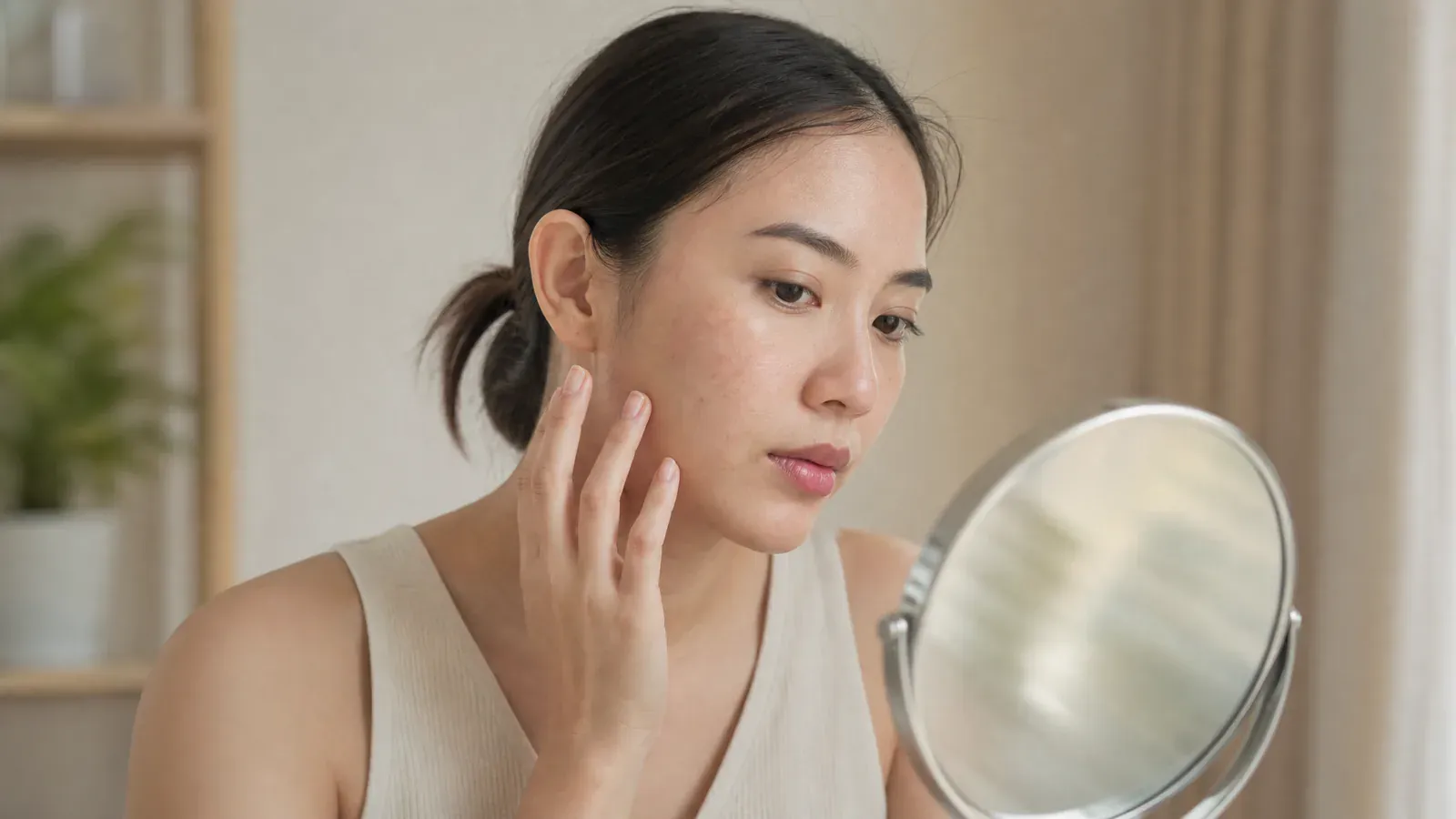
Pigmentation disorders involve changes in the skin’s colour due to an overproduction (hyperpigmentation) or underproduction (hypopigmentation) of melanin, the pigment responsible for skin, hair, and eye colour. Hyperpigmentation is more common and can manifest in various forms, including sunspots (solar lentigines), melasma, and post-inflammatory hyperpigmentation (PIH) that can occur after acne, eczema, or injury. While medical treatments are often necessary to address the underlying causes of these disorders, cosmetic approaches and camouflage play a significant role in improving the appearance of affected skin and enhancing the individual’s quality of life.
A fundamental aspect of managing hyperpigmentation with cosmetics is the prevention of further pigment production. Consistent and diligent sun protection is paramount, as UV radiation is a major trigger for melanin synthesis and can worsen existing hyperpigmentation. Broad-spectrum sunscreens with a high SPF should be used daily, and reapplication throughout the day is essential, particularly during periods of sun exposure. Wearing protective clothing, hats, and seeking shade can also help to minimise UV exposure.
Certain cosmetic ingredients are known for their ability to help fade hyperpigmentation over time. These include:
Vitamin C (Ascorbic Acid): A potent antioxidant, vitamin C can also inhibit melanin production and lighten existing dark spots. Various stable forms of vitamin C are used in serums and creams.
Niacinamide (Vitamin B3): This multi-functional ingredient can help to reduce the appearance of hyperpigmentation by inhibiting the transfer of melanin from melanocytes (pigment-producing cells) to keratinocytes (skin cells).
Alpha-Hydroxy Acids (AHAs): Glycolic and lactic acids are common AHAs that exfoliate the skin’s surface, helping to shed pigmented cells and reveal brighter skin underneath. Regular use can gradually fade hyperpigmentation.
Retinoids (Retinol and its esters): By increasing cell turnover, retinoids can help to disperse melanin and improve overall skin tone, contributing to the fading of hyperpigmentation.
Various botanical extracts: Ingredients like licorice root extract, kojic acid, and arbutin are also known for their melanin-inhibiting properties and are often included in brightening serums and creams.
It is important to note that these cosmetic ingredients typically provide gradual improvement over time and may not be as potent as prescription-strength treatments like hydroquinone. However, they can be effective as part of a long-term maintenance regimen and are often better tolerated for extended use.
Camouflage makeup offers an immediate solution for concealing pigmentation irregularities and improving the appearance of affected skin. This involves the strategic application of colour-correcting products and high-coverage foundations and concealers to neutralise and cover the discolouration.
Colour correctors with peach, yellow, or orange undertones can help to neutralise blue or brown pigmentation.
High-coverage foundations and concealers that match the individual’s natural skin tone are then applied to provide even coverage and conceal the hyperpigmented areas.
Setting powders help to prolong the wear of the makeup and prevent it from creasing or fading.
The goal of camouflage makeup is to create a natural-looking, even skin tone that minimises the visibility of pigmentation disorders. For individuals whose quality of life is significantly impacted by the appearance of their hyperpigmentation, camouflage techniques can be transformative, boosting self-confidence and reducing anxiety associated with their skin condition.
Dermatologists may recommend camouflage therapy and can provide guidance on appropriate product selection and application techniques. In some cases, they may refer patients to trained camouflage therapists who can offer more specialised advice and support. In summary, addressing pigmentation disorders with cosmetic approaches involves a two-pronged strategy: long-term skincare aimed at preventing further pigment production and gradually fading existing hyperpigmentation through consistent sun protection and the use of brightening ingredients, combined with the immediate benefit of camouflage makeup to conceal discolouration and improve appearance and psychological well-being.