Active Ingredients: The Inclusion of Substances Like Sunscreen Materials, Anti-Acne Actives, and Skin Lighteners in Formulations
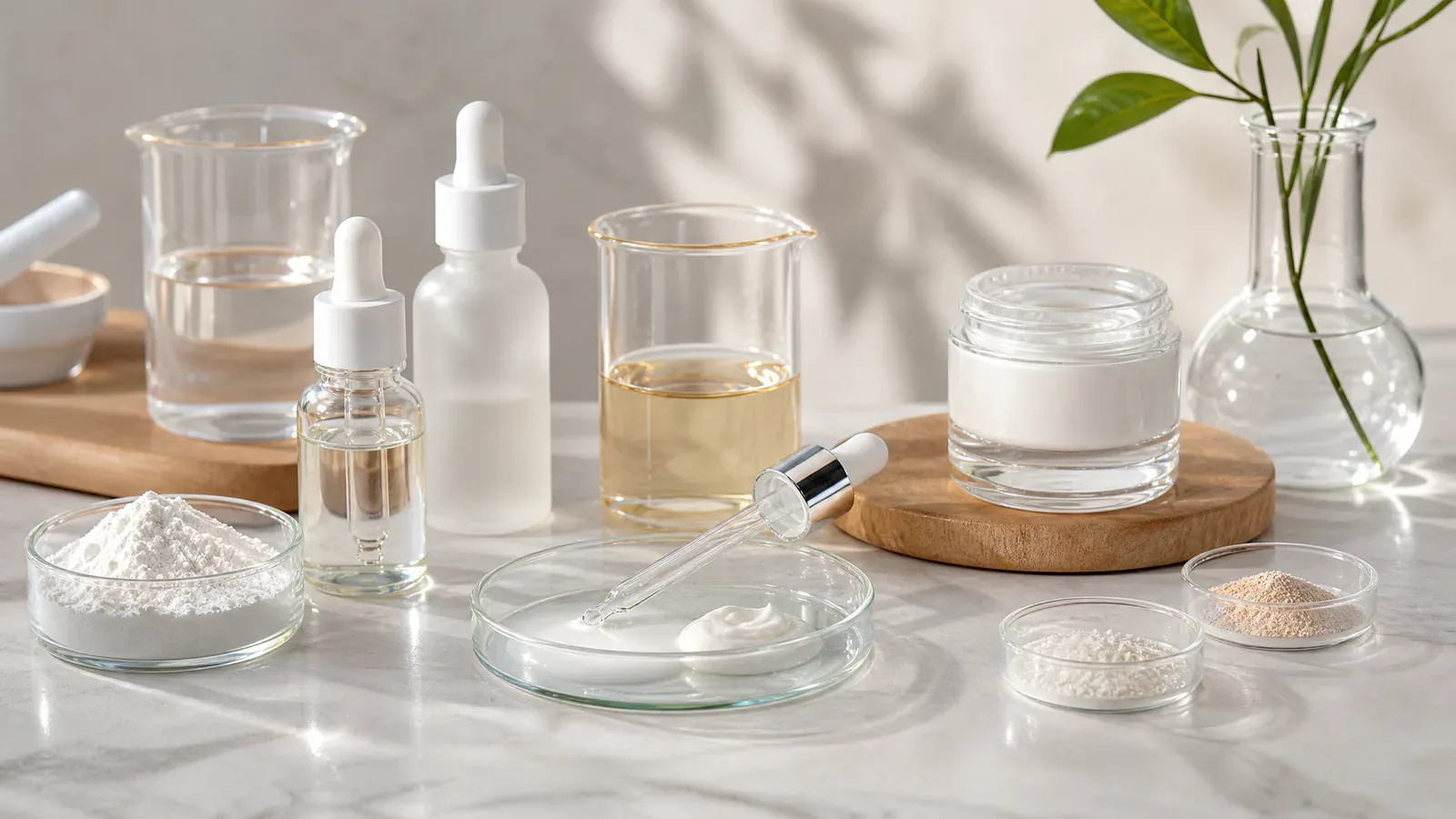
Active ingredients are the core components of cosmetic and cosmeceutical formulations that are specifically included to provide intended benefits to the skin. These substances are chosen for their scientifically demonstrated ability to address particular skin concerns, such as protection from UV radiation, treatment of acne, reduction of hyperpigmentation, or mitigation of signs of aging. The careful selection and effective formulation of active ingredients are paramount in creating products that deliver on their claims and contribute to improved skin health and appearance.
Sunscreen materials are a critical category of active ingredients designed to protect the skin from the harmful effects of ultraviolet (UV) radiation from the sun. These materials work through different mechanisms: organic (chemical) UV filters absorb UV radiation and convert it into heat, which is then released from the skin. Common examples include avobenzone, octinoxate, and oxybenzone. Inorganic (physical or mineral) UV filters, such as titanium dioxide and zinc oxide, work by reflecting and scattering UV radiation away from the skin surface. Effective sunscreen formulations typically involve a combination of multiple UV filters to provide broad-spectrum protection against both UVA and UVB rays, which are responsible for sunburn, premature aging, and increasing the risk of skin cancer. The concentration and combination of these active sunscreen ingredients are carefully regulated to achieve a specific Sun Protection Factor (SPF) and UVA protection level, as indicated on the product label.
Anti-acne actives are included in formulations to treat and prevent acne vulgaris, a common skin condition characterised by comedones (blackheads and whiteheads), papules, pustules, and cysts. These active ingredients work by targeting various factors that contribute to acne development, such as excessive sebum production, bacterial proliferation (particularly Propionibacterium acnes), inflammation, and the abnormal shedding of skin cells that leads to clogged pores. Common anti-acne actives include:
Benzoyl peroxide: An antibacterial agent that also helps to exfoliate the skin and reduce inflammation.
Salicylic acid: A beta-hydroxy acid (BHA) that exfoliates the skin by penetrating into pores and dislodging dead skin cells and sebum. It also has anti-inflammatory properties.
Retinoids (e.g., adapalene): Derivatives of vitamin A that help to normalise skin cell turnover, preventing clogged pores and reducing inflammation. Some retinoids are available over the counter at lower concentrations.
Other antibacterial agents: Such as triclosan or specific plant extracts with antimicrobial properties, although their use and efficacy can vary.
The choice of anti-acne active depends on the severity and type of acne, as well as individual skin sensitivity. Formulations may contain a single active ingredient or a combination to target multiple aspects of acne pathogenesis.
Skin lighteners, also known as depigmenting agents or brightening agents, are active ingredients used to reduce the appearance of hyperpigmentation, such as sunspots (age spots), melasma, and post-inflammatory hyperpigmentation. These agents typically work by inhibiting the production of melanin, the pigment responsible for skin colour. Common skin-lightening actives include:
Hydroquinone: A potent melanin inhibitor that is often available in prescription-strength formulations due to potential side effects.
Kojic acid: A natural compound derived from fungi that inhibits tyrosinase, an enzyme involved in melanin production.
Vitamin C (ascorbic acid and its derivatives): A potent antioxidant that can also interfere with melanin production and has brightening effects.
Niacinamide (vitamin B3): Can help to reduce the transfer of melanosomes (pigment-containing vesicles) to skin cells and has various other skin benefits.
Alpha hydroxy acids (AHAs) (e.g., glycolic acid, lactic acid): Exfoliate the skin, helping to remove pigmented surface cells and improve skin tone.
Various plant extracts: Such as licorice root extract, bearberry extract (containing arbutin), and mulberry extract, which contain compounds that can inhibit melanin production.
The effectiveness and safety of skin-lightening agents can vary, and formulations often combine multiple ingredients with different mechanisms of action to achieve optimal results while minimising potential irritation.
The successful incorporation of active ingredients into cosmetic formulations requires careful consideration of several factors. Stability is crucial; many active ingredients are prone to degradation upon exposure to light, air, or other formulation components. Therefore, appropriate packaging and the inclusion of stabilising agents are often necessary. Penetration is another key aspect; active ingredients need to reach their target sites within the skin to exert their effects. Formulation strategies, including the use of penetration enhancers and appropriate vehicles, play a vital role in optimising delivery. Concentration is also critical; active ingredients need to be present at an effective level to produce the desired outcome, but concentrations must also be carefully controlled to minimise the risk of irritation or other adverse reactions. Finally, compatibility with other ingredients in the formulation is essential to maintain product integrity and efficacy. In conclusion, active ingredients such as sunscreen materials, anti-acne actives, and skin lighteners are the functional heart of many cosmetic formulations, providing specific benefits to the skin. Their careful selection, appropriate concentration, and effective formulation are essential for creating products that are both safe and efficacious in addressing various dermatological concerns and enhancing the overall health and appearance of the skin.