Sebaceous Cyst Removal in Hong Kong — Symptoms, Diagnosis, Surgery, Recovery
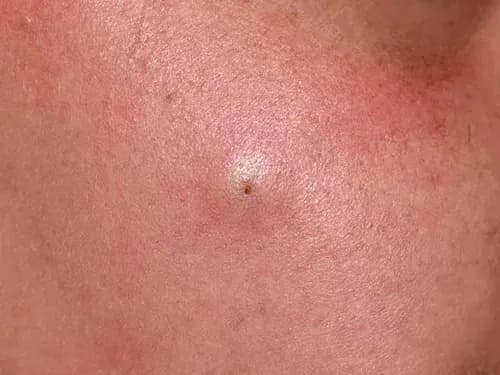
Sebaceous cysts (most commonly epidermoid or pilar cysts) are benign, slow-growing lumps that form just beneath the skin. They often have a smooth, dome-shaped surface and may show a tiny central “punctum.” While harmless, cysts can enlarge, become inflamed or infected, rupture, or cause cosmetic concern. A quick day-procedure under local anaesthesia can remove the cyst and help prevent recurrence.
What Is a “Sebaceous” Cyst?
The term “sebaceous cyst” is commonly used to describe two very similar skin cysts:
• Epidermoid cysts: the most common type; arise from the skin’s hair follicle opening and contain soft, cheese-like keratin.
• Pilar (trichilemmal) cysts: often found on the scalp; the wall is a bit thicker and they may be multiple.
Typical features include:
• Slow-growing, round lump under the skin
• Mobile and usually painless
• May have a visible central punctum
• Can become red, tender, and drain foul-smelling material if inflamed or infected
Cysts vary from a few millimetres to several centimetres. They do not turn into cancer. Very rarely, other conditions can mimic a cyst; your doctor will examine to confirm.
When Should a Cyst Be Removed?
Surgical removal (cyst excision) is recommended when:
• The cyst gets inflamed repeatedly or becomes infected
• It grows quickly, becomes painful, or ruptures
• Its location causes irritation (e.g., bra line, collar, shaving area)
• It causes cosmetic concern or affects confidence
• The diagnosis is uncertain and laboratory analysis is advisable
Consultation and Diagnosis in Hong Kong
Your assessment includes:
• Medical history and symptom review (onset, growth, episodes of inflammation)
• Physical examination to distinguish cysts from lipomas, abscesses, or other lumps
• Ultrasound if the lump is deep, atypical, or near important structures
• Discussion of timing: acutely inflamed or infected cysts are often treated first (e.g., antibiotics, incision and drainage if needed), with definitive excision scheduled once inflammation settles to reduce recurrence
If the cyst is unusual, recurrent, or large, the removed tissue may be sent for histopathology.
The Sebaceous Cyst Removal Procedure
Most cysts are removed as a day procedure under local anaesthesia at our Hong Kong clinic.
Step-by-Step Overview:
• Preparation: Skin cleansing and local anaesthetic for comfort.
• Incision: A small, carefully placed cut over the cyst or along skin lines to minimise scarring.
• Excision: The entire cyst sac (capsule) is gently freed and removed intact when possible. Removing the whole capsule is key to preventing recurrence.
• Closure: The wound is closed with fine sutures and covered with a sterile dressing.
• Specimen handling: Atypical or recurrent cysts may be sent to the lab.
• Post-op instructions: Clear guidance on wound care, activity, and follow-up.
Techniques may include minimal-excision, punch-excision, or standard elliptical excision depending on size, location, and previous inflammation.
Recovery and Aftercare
Most people resume desk work and light daily activities within 1–2 days (sometimes the same day).
• Keep the dressing dry for the first 24–48 hours, then follow cleansing instructions.
• Sutures are typically removed in 7–14 days depending on the site (face heals faster than back).
• Expect mild swelling or bruising; simple pain relief is usually sufficient.
• Avoid heavy exercise, stretching, or friction over the wound until advised.
• Watch for signs of infection: increasing redness, warmth, thick discharge, fever, or worsening pain.
• Scar care: Sun protection, silicone gel/sheets, and gentle massage after healing can optimise the cosmetic result.
Risks and Possible Complications
Cyst removal is very safe, but as with any procedure, risks include:
• Infection or delayed wound healing
• Bleeding or haematoma (blood collection)
• Recurrence (more likely after previous rupture/infection)
• Scarring or skin colour change (keloid/hypertrophic scars are more common in some skin types)
• Rare nerve irritation or numbness near the incision
Frequently Asked Questions
Will the cyst go away on its own?
Cysts often persist and can enlarge over time. Temporary relief after “popping” is common, but the sac remains and the cyst usually returns.
Can I squeeze or pop it?
Not recommended. Squeezing can cause rupture under the skin, increase inflammation, and raise infection risk—making later surgery harder and recurrence more likely.
What if my cyst is inflamed right now?
When acutely inflamed or infected, your doctor may treat the inflammation first (e.g., antibiotics and/or drainage). Definitive excision is best performed once swelling settles—this improves removal success and reduces recurrence.
How long does the procedure take?
Usually 20–45 minutes, depending on size and location.
Will there be a scar?
All surgery leaves a scar. We plan incisions along natural skin lines and use meticulous closure to keep scars as discreet as possible. Post-op scar care helps further.
Is it a day procedure in Hong Kong?
Yes. Most cysts are removed under local anaesthesia as an outpatient/day procedure.
How much does cyst removal cost in Hong Kong?
Costs vary with size, location, and complexity (e.g., infected or previously ruptured cysts). An in-person assessment allows us to provide an accurate quotation. If removal is medically necessary (pain, infection, functional impact), some insurance plans may offer coverage—check with your insurer.
What are the chances it comes back?
Recurrence is uncommon when the entire capsule is removed intact. Prior infection or rupture can increase recurrence risk because the capsule may fragment; careful technique and proper timing help reduce this risk.
If you have a scalp or skin lump that you suspect is a sebaceous (epidermoid/pilar) cyst and are considering removal, book a consultation at our Hong Kong clinic. We will confirm the diagnosis, explain your options, and plan a safe, effective treatment tailored to you.