Wegovy (Semaglutide) for Chronic Weight Management
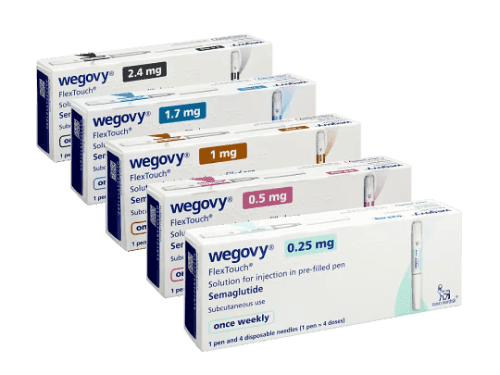
Wegovy (semaglutide) is an injectable prescription medication for long-term weight management in adults with obesity or overweight. It was approved by the FDA in 2021 as a once-weekly GLP-1 receptor agonist indicated for adults with a body mass index (BMI) of ≥30 (obesity) or ≥27 (overweight) with at least one weight-related medical condition. Wegovy contains the same active ingredient (semaglutide) found in Ozempic (used for type 2 diabetes), but at a higher dose (2.4 mg) specifically for weight loss. This higher-dose semaglutide mimics a natural hormone (GLP-1) to help reduce appetite and calorie intake, aiding in weight reduction and maintenance.
How Does Wegovy Work?
Wegovy’s active ingredient, semaglutide, is a glucagon-like peptide-1 (GLP-1) receptor agonist. It works by mimicking the GLP-1 hormone that targets areas of the brain involved in appetite regulation. In practical terms, Wegovy helps you lose weight through several mechanisms:
- Regulate Appetite: Semaglutide acts on appetite centers in the brain to reduce hunger and cravings, helping you feel satisfied with less food.
- Enhance Satiety: It slows stomach emptying, which means meals keep you full longer, so you’re less likely to overeat.
- Improve Metabolic Control: By helping control blood sugar spikes and insulin levels, it optimizes how your body uses energy, and can reduce fat storage.
Who Is Suitable for Wegovy?
Wegovy is intended for adults who need chronic weight management. It’s generally prescribed if you meet one of these criteria:
- BMI ≥ 30 (classified as obese), or
- BMI ≥ 27 (overweight) with at least one weight-related comorbidity such as hypertension, type 2 diabetes, or dyslipidemia.
Like other FDA-approved weight-loss medications, Wegovy should be used in combination with a reduced-calorie diet and increased physical activity. Semaglutide’s action on GLP-1 receptors helps regulate appetite and reduce food intake, so patients tend to feel full sooner and eat less. This makes Wegovy an effective tool for those who have struggled with traditional diet and exercise alone.
Differences Between Wegovy and Other Weight Loss Drugs
Wegovy is part of a newer generation of weight loss therapies (GLP-1 receptor agonists) that have shown greater efficacy compared to older medications. Here are a few ways Wegovy stands out:
- GLP-1 Class Efficacy: Wegovy (semaglutide) and its daily-injection predecessor Saxenda (liraglutide) are both GLP-1 agonists for weight loss. However, Wegovy’s once-weekly dosing and higher potency lead to more significant weight reduction on average. In a 68-week head-to-head study, people on Wegovy lost roughly 16% of their body weight, versus about 6% for those on Saxenda. The largest Wegovy trial (STEP program) reported an average ~15% body weight loss, which is markedly higher than results from older drugs like orlistat or appetite suppressants (typically 5–10%).
- Frequency and Convenience: Wegovy is injected once per week, whereas some other treatments (e.g. Saxenda) require daily injections. This convenient dosing may improve adherence and tolerability for many patients.
- Comparison to Combination Therapies: Unlike newer combination medications (e.g. tirzepatide, which activates both GIP and GLP-1 receptors), Wegovy targets only the GLP-1 pathway. While tirzepatide (branded as Zepbound for weight loss) has shown even greater average weight loss (~20% in trials), Wegovy’s single-hormone approach is extremely effective on its own and has a well-established safety profile in the obesity treatment context.
- Clinical Benefits: In addition to weight loss, Wegovy’s trials showed improvements in waist circumference, blood pressure, blood lipids, and markers of inflammation – indicating broad metabolic health benefits beyond just the pounds lost.
Suitable Candidates for Wegovy
Wegovy is appropriate for adults who meet the BMI criteria mentioned above and are committed to a long-term weight management plan. Candidates include those with obesity, or overweight individuals who also have weight-related health issues (like high blood pressure, high cholesterol, type 2 diabetes, or sleep apnea). These patients stand to benefit the most from significant weight reduction.
However, Wegovy is not suitable for everyone. It carries a boxed warning (like other GLP-1 agonists) and certain contraindications:
- Thyroid Cancer History: Do not use Wegovy if you or any family member have a history of medullary thyroid carcinoma (MTC) or a rare endocrine disorder called Multiple Endocrine Neoplasia syndrome type 2 (MEN2). Semaglutide caused thyroid tumors in rodent studies, so it’s contraindicated in people at risk for MTC.
- History of Pancreatitis: Wegovy hasn’t been studied in those with a history of pancreatitis, and GLP-1 drugs may pose a risk of precipitating pancreatitis. If you have had pancreatitis, your doctor will likely advise against Wegovy or use it with caution.
- Other Exclusions: Wegovy is not recommended if you are pregnant or breastfeeding (see the Pregnancy section below for details). Additionally, it should not be used in combination with any other semaglutide-containing medication or another GLP-1 agonist (see “Taking Wegovy with Other Medications”). Always discuss your full medical history with your doctor to ensure Wegovy is safe for you.
Dosage and Administration of Wegovy
Wegovy is administered once weekly as a subcutaneous injection (under the skin). You (or your caregiver) inject it in one of three areas: the abdomen, thigh, or upper arm, and it can be taken without regard to meals (any time of day that’s convenient, on the same day each week). The medication comes in a pre-filled pen device for single use. To minimize side effects, you will follow a gradual dose escalation schedule when starting Wegovy:
- Weeks 1–4: 0.25 mg once weekly
- Weeks 5–8: 0.5 mg once weekly
- Weeks 9–12: 1.0 mg once weekly
- Weeks 13–16: 1.7 mg once weekly
- Week 17 and beyond: 2.4 mg once weekly (maintenance dose)
This stepwise titration is designed to allow your body to adjust and to reduce gastrointestinal side effects as the dose increases. By about the fifth month, you’ll reach the full 2.4 mg/week maintenance dose, which is the dose shown to produce the most weight loss benefit.
Important administration notes: Always follow the injection instructions provided in the Wegovy “Instructions for Use” leaflet. Use a new pen for each injection (the pen is disposable; there is no separate needle to attach). If you miss a dose and your next scheduled dose is more than 2 days away, you can take the missed dose when you remember; if the next dose is due in >2 days, just skip the missed one and continue on schedule (if unsure, consult your doctor). Never exceed the prescribed dose or adjust the schedule on your own. If you cannot tolerate a dose due to side effects, talk to your doctor – they may advise staying at a lower dose a bit longer rather than increasing, or in some cases temporarily reducing the dose.
Side Effects of Wegovy
Like all medications, Wegovy can cause side effects. Most of Wegovy’s common side effects are related to its action on the digestive system. Common side effects (often occurring during the dose-escalation phase) include:
- Gastrointestinal symptoms: Nausea, vomiting, diarrhea, constipation, indigestion (dyspepsia), abdominal pain or bloating. These are the most frequently reported issues as the dose increases – for example, about 44% of patients report some nausea initially.
- Decreased appetite: Many people experience loss of appetite or feel full sooner, which is part of how the drug works. However, this can be noted as a side effect, and in some cases may lead to eating much less than usual, so it should be monitored.
- Headache or Fatigue: A smaller percentage of patients report headaches, fatigue, or dizziness while on Wegovy. These can be due to the lower calorie intake or the medication itself.
- Injection-site reactions: A minority of users may have redness or irritation at the injection site (itching, slight rash, or discomfort). This is generally mild.
Most of these common side effects are temporary and tend to improve over time as your body adjusts to Wegovy. For example, nausea is usually worst when first starting or when increasing the dose, and then subsides. Your doctor may have tips to manage these symptoms (such as dietary adjustments like eating smaller meals, staying hydrated, or anti-nausea medications if needed). It’s very important to follow the dose titration schedule to help minimize GI side effects.
Serious side effects are less common, but it’s important to be aware of them:
- Pancreatitis: In rare cases, acute pancreatitis (inflammation of the pancreas) has been reported with GLP-1 agonists like semaglutide. Symptoms include severe persistent abdominal pain (sometimes radiating to the back) with or without vomiting. If pancreatitis is suspected, Wegovy should be stopped and medical care sought immediately.
- Gallbladder problems: Rapid weight loss can predispose to gallstones (cholelithiasis) or gallbladder inflammation. Some Wegovy patients have developed gallbladder disease (sometimes requiring gallbladder removal). Report symptoms like upper right abdominal pain, fever, or jaundice to your doctor.
- Kidney injury (rare): The dehydration from prolonged vomiting or diarrhea on Wegovy can potentially lead to acute kidney injury or worsen existing kidney issues. It’s important to drink fluids if you’re having GI side effects and notify your doctor if you notice decreased urination or swelling.
- Thyroid tumors: Semaglutide caused thyroid C-cell tumors in animal studies. While a causal link in humans has not been established, Wegovy has a boxed warning for thyroid tumors (as mentioned, it should not be used if you have a personal/family history of MTC or MEN2). Report any new lumps in your neck, hoarseness, or difficulty swallowing/breathing – these could be signs of a thyroid issue.
- Hypoglycemia (low blood sugar): Wegovy by itself (in a person without diabetes) usually doesn’t cause low blood sugar. But if you have type 2 diabetes and are on insulin or sulfonylureas, adding Wegovy can increase the risk of hypoglycemia. Your doctor may adjust your other diabetes medications and will advise you on how to recognize and treat low blood sugar. Dizziness, shakiness, sweating, confusion – report these if they occur.
Note: This is not an exhaustive list of side effects. Other adverse effects can occur (for example, slightly increased heart rate has been observed in some patients). It’s crucial to read the Medication Guide that comes with Wegovy and discuss any concerns with your doctor. Most people tolerate Wegovy well, but stay in communication with your doctor, especially during the first weeks of therapy, and let them know if side effects are severe or not improving. They may adjust your dose escalation speed or suggest remedies to help you stay on track.
Long-Term Use of Wegovy for Weight Management
Wegovy is intended for long-term use as obesity is a chronic condition. Unlike short-term “diet pills” of the past, modern anti-obesity medications are designed to be taken continuously to maintain weight loss. Studies have shown that if the medication is stopped, patients tend to regain weight, as the underlying appetite and metabolic drivers of obesity return. In fact, one study found that one year after stopping semaglutide, participants regained about two-thirds of the weight they had lost.
Because of this, you and your doctor should view Wegovy as one part of a long-term weight management plan. It’s approved for chronic use, meaning you can stay on it for years if it’s working well and not causing significant side effects. Many patients will need to use Wegovy indefinitely to keep the weight off, much like how medications for blood pressure or diabetes are ongoing.
That said, long-term use requires periodic evaluation. Your doctor will have regular follow-ups (for example, monthly during dose escalation, then perhaps every 3 months once you’re on a stable dose) to monitor your progress, check for any side effects, and ensure that continuing the medication is appropriate. They will likely track your weight, waist circumference, blood pressure, blood sugar, and other labs over time to gauge overall health improvements.
If at any point the risks of the medication begin to outweigh the benefits – or if you reach a healthy weight and can maintain it through lifestyle changes alone – your doctor might discuss tapering off Wegovy. But typically, given that obesity tends to recur, the expectation is that Wegovy can be a long-term therapy. The key is to use that time on the medication to also solidify healthy eating and exercise habits for comprehensive long-term success.
Always attend your scheduled appointments and be honest with your doctor about how you’re feeling and whether you’re taking Wegovy as directed. Together you can decide the optimal duration of therapy for you.
FAQ
Taking Wegovy with Other Medications
Q: Can I use Wegovy with Ozempic, Saxenda, Trulicity, or other GLP-1 medicines?
A: No. Do not combine Wegovy with any other GLP-1 receptor agonist or any medicine that contains semaglutide.
Q: I’m on insulin or a sulfonylurea for type 2 diabetes. What should I know?
A: Your clinician may lower those doses when you start Wegovy to reduce the risk of low blood sugar. Monitor glucose closely during the first weeks and after dose increases.
Q: What about my blood pressure or cholesterol medicines?
A: As you lose weight, your blood pressure and lipids may improve, so doses of other medicines could need adjustment. Keep regular follow-ups for monitoring.
Q: Do antidepressants, antipsychotics, or steroids interact with Wegovy?
A: Not typically in a dangerous way, but some of these can promote weight gain and blunt results. Ask your prescriber if weight-neutral alternatives are appropriate.
Bottom line: Tell your clinician about all prescriptions, over-the-counter drugs, and supplements. Don’t start, stop, or duplicate therapies without medical advice.
Switching To or From Wegovy
Q: How do I switch from another weight-loss or GLP-1 medicine to Wegovy?
A: Switch only under medical supervision. A short washout period is often recommended (commonly about 1–4 weeks, depending on the prior drug and dose).
Q: What dose do I start after switching?
A: Most people begin Wegovy at 0.25 mg once weekly, then follow the standard titration schedule—even if they were on a higher dose of another medicine.
Q: Can I overlap Wegovy with my previous medicine to avoid a gap?
A: No. Don’t use Wegovy concurrently with another GLP-1 or weight-loss medicine unless your clinician specifically instructs otherwise.
Pregnancy & Breastfeeding
Q: Can I take Wegovy if I’m pregnant or trying to conceive?
A: No. Stop Wegovy if pregnancy occurs and inform your clinician. If planning pregnancy, discontinue at least 2 months beforehand.
Q: Is Wegovy safe while breastfeeding?
A: It’s not recommended due to insufficient safety data. Discuss alternatives with your clinician.
Alcohol and Wegovy
Q: Can I drink alcohol while on Wegovy?
A: Moderate intake is not strictly prohibited, but alcohol can worsen nausea, add calories, and may increase the risk of low blood sugar if you use insulin or certain diabetes pills. If you drink, do so sparingly, with food, and stop if you feel unwell.
What to Expect on Wegovy
Q: When will I notice results?
A: Many people feel less hungry within weeks. Visible weight loss typically emerges over 1–2 months, with larger changes after reaching the maintenance dose.
Q: What side effects are common?
A: Nausea, indigestion, vomiting, diarrhea or constipation, decreased appetite, and mild headache. These often lessen as your body adjusts; dose ramp-up helps.
Q: What symptoms require urgent care?
A: Severe or persistent abdominal pain (possible pancreatitis), signs of an allergic reaction, or symptoms of significant dehydration.
If Results Are Not Seen
Q: What if I haven’t lost about 5% of my starting weight after ~16 weeks on the full dose?
A: Schedule a review with your clinician. They may check adherence, address barriers, adjust other medicines, or suggest alternative therapies. Do not stop early on your own; give the treatment an adequate trial as advised.
Pen Use & Disposal
Q: Can I reuse Wegovy pens or needles?
A: No. Each pen is single-use. Reuse risks infection, dosing errors, and needle injury.
Q: How do I dispose of used pens?
A: Place the entire used pen into an FDA-cleared sharps container (or a sturdy, puncture-resistant container with a tight lid) and follow local disposal rules.
Eligibility (Lower BMI)
Q: Can I use Wegovy if my BMI is below 27 and I have no weight-related conditions?
A: No. Wegovy is indicated for adults with BMI ≥30, or BMI ≥27 with at least one weight-related condition. If you don’t meet criteria, focus on lifestyle measures and discuss other options with your clinician.
Storage & Handling
Q: How should I store Wegovy pens?
A:
- Unopened pens: Refrigerate at 2–8°C (36–46°F) in the original carton. Do not freeze.
- Room-temperature option: Unopened pens may be kept at ≤30°C (86°F) for up to 28 days before use; protect from heat and light.
- After use: Pens are single-dose—discard in a sharps container immediately after injection.
- General: Keep out of reach of children and avoid temperature extremes (hot cars, direct sun).