Menopause and Rosacea
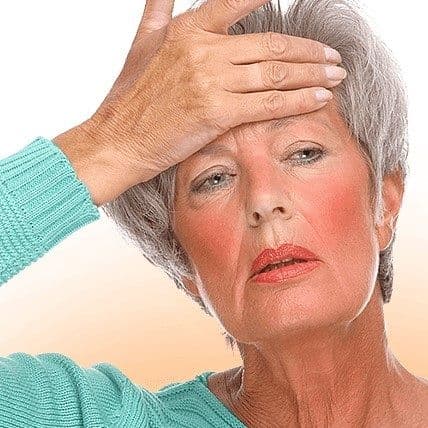
Menopausal flushing and rosacea can produce overlapping facial symptoms. Some people notice rosacea symptoms worsen during this time, but experiences differ and the overlap does not prove causation.
Flushing, warmth, dryness, sensitivity and facial redness can have more than one cause. Changes in these symptoms should not automatically be attributed to either menopause or rosacea.
An observed association between menopausal symptoms and rosacea does not establish that one directly causes the other. Individual assessment can help distinguish overlapping symptoms and guide an appropriate discussion of care.
Rosacea Care During Menopause
Rosacea care may involve topical medicine, oral medicine, laser or light procedures, depending on the features present. Menopausal symptoms require a separate review, and treatment for those symptoms should not be assumed to treat rosacea.
Hormone therapy is not a rosacea treatment. Its possible benefits, risks and suitability relate to menopausal care and require a separate medical review.
Medicines used for mood or other menopausal symptoms are not a rosacea treatment. Any medicine decision should be made for the relevant condition after clinician review, rather than as a way to control rosacea.
A medicine used for another condition should not be presented as a rosacea treatment without appropriate evidence. Flushing and facial redness need individual assessment because they may have more than one cause.
Rosacea is a long-term condition, and its course varies. If rosacea symptoms and menopausal symptoms overlap, seek individual assessment so that each concern can be considered separately.
Discuss persistent or changing facial symptoms with a clinician. A review can consider possible causes and the benefits and risks of treatment for each condition without assuming a direct causal link.