HydraFacial
A build-up of surface skin cells, sebum and skincare residue can make the complexion appear dull or rough. It may also make blackheads and pore congestion more noticeable.
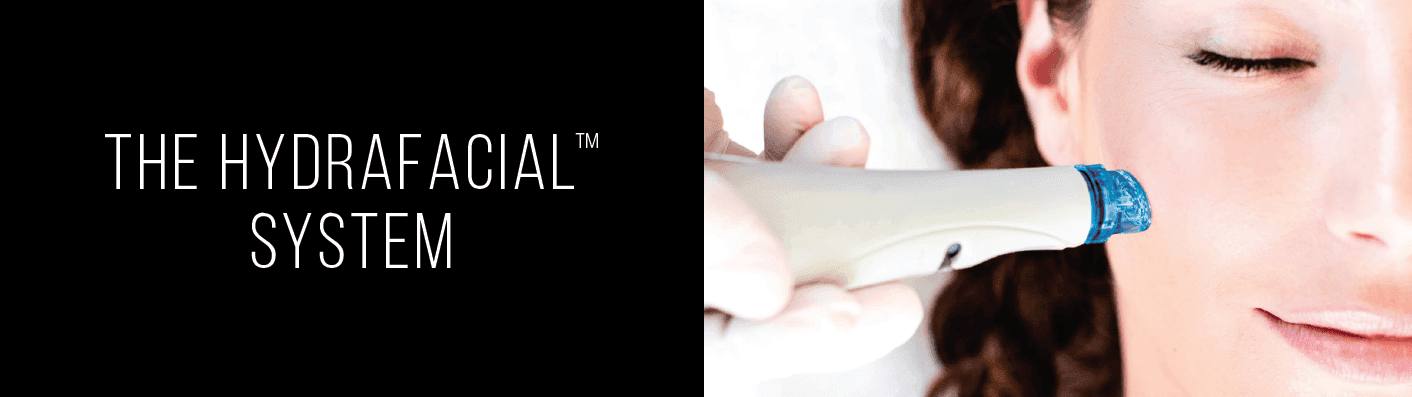
HydraFacial is a branded, non-laser and non-injectable skin treatment combining superficial exfoliation, controlled suction and the application of topical solutions. The treatment can be adjusted according to skin sensitivity, congestion and individual goals.
Although many people experience only mild discomfort and a brief recovery, HydraFacial should not be described as universally painless, non-irritating or entirely free from downtime.
What is HydraFacial?
HydraFacial is a hydradermabrasion system developed in the United States. It uses a purpose-designed spiral tip, fluid delivery and adjustable vacuum suction to exfoliate the surface of the skin and remove some superficial oil and debris.
It is not the same as laser resurfacing, deep dermabrasion or an injectable treatment. It cannot permanently close pores, remove deep acne scars or correct every cause of pigmentation and skin ageing.
HydraFacial is also a specific branded system. Other treatments marketed as water facials, hydro-facials or hydrodermabrasion may use different devices, solutions and safety protocols.
How does HydraFacial work?
The core treatment usually involves three stages.
Cleansing and superficial exfoliation
A spiral HydroPeel tip passes over the skin while a fluid solution and controlled suction help loosen and remove part of the superficial stratum corneum.
Extraction
Vacuum strength is adjusted according to the treatment area and skin tolerance. This may help remove some superficial sebum, blackheads, whiteheads and pore debris without manual squeezing.
Deeper comedones and inflamed, pustular or cystic acne should not be forcibly extracted.
Hydration and topical finishing solutions
After exfoliation and extraction, a hydrating or targeted topical solution may be applied. Some treatment plans may add a booster, LED light treatment or lymphatic drainage, although these are not included in every HydraFacial treatment.
Technology, solutions and ingredients
The combined action of fluid delivery, a spiral tip and suction is described as Vortex-Fusion technology.
Depending on the selected protocol, the solutions may contain ingredients such as:
- Lactic, glycolic or other superficial exfoliating acids
- Salicylic acid or related ingredients for oily, congested skin
- Hyaluronic acid and other humectants
- Antioxidants or peptides
- Targeted professional boosters
Product names and formulations can change and may differ by market. The actual solution, ingredient list and concentration should therefore be checked before treatment, particularly for people with allergies, sensitive skin, pregnancy-related considerations or restrictions on specific active ingredients. An outdated product name should not be used to assume that every patient receives the same formula.
What concerns may HydraFacial improve?
Following an appropriate assessment, HydraFacial may be considered for the appearance of:
- Dull or dehydrated skin
- Rough surface texture and superficial skin-cell build-up
- Mild blackheads, whiteheads and pore congestion
- Pores that appear more noticeable because of oil, debris or dehydration
- Mildly uneven-looking tone or texture
- Dry fine lines that may look temporarily softer after hydration
These are cosmetic appearance goals. They should not be interpreted as claims that HydraFacial treats every type of acne, pigmentation, redness or skin ageing.
Persistent redness, melasma, inflammatory acne, rosacea and suspicious skin lesions require a medical diagnosis and may need a different treatment plan.
Manufacturer-stated use, indications and treatment areas
The current instructions for the HydraFacial Elite system describe its intended use as exfoliating the upper layers of the skin.
Regional labelling in the European Economic Area also lists mild-to-moderate acne, including blackheads and whiteheads, and superficial acne scarring. This regional device indication should not be interpreted as independent medical consensus, as permission to treat inflamed or infected lesions, or as evidence that HydraFacial removes deep atrophic acne scars.
Hydration, radiance, visible pore size, fine lines and uneven-looking texture are more appropriately described as appearance-related treatment goals.
The face is the most common treatment area. Other areas should be considered only where supported by the relevant protocol, device settings and practitioner training. HydraFacial should be used on intact external skin and not directly over eyelids, the orbital area, mucosal surfaces, open wounds or infected skin.
Who may be suitable?
HydraFacial may suit adults with intact skin who are concerned about dullness, dehydration, surface roughness or mild comedonal congestion.
People with sensitive skin or stable rosacea are not automatically excluded. However, they may require lower vacuum settings, lighter handpiece pressure and carefully selected solutions. Treatment should normally be postponed during an active flare involving burning, marked redness, dermatitis, peeling or a damaged skin barrier.
What happens during treatment?
Before treatment, the doctor or trained practitioner should review the patient’s skin condition, acne type, allergies, medicines, history of cold sores and recent injectable, laser, energy-based, peel or surgical procedures.
A typical appointment may involve:
- Cleansing and examination of the treatment area.
- Superficial exfoliation using the spiral tip and fluid solution.
- An appropriately selected peel solution where indicated.
- Controlled extraction over suitable areas of congestion.
- Application of a hydrating or targeted finishing solution.
- Optional LED or another add-on where included in the agreed plan.
A facial treatment commonly takes approximately 30 to 60 minutes. Timing varies with the treatment area, skin response and any additional stages.
How many treatments are needed?
There is no universally appropriate number or interval.
Some people choose a single treatment before an event, whereas others may follow an individually planned course for recurrent congestion or broader skin-maintenance goals. The skin should be allowed to settle between sessions, and treatment should not be repeated over skin that remains inflamed, sore, dry or peeling.
One small acne study used six treatments at two-week intervals, but the protocol also included a particular clarifying solution and blue LED. It was a small, uncontrolled study and should not be treated as a standard schedule or proof that the same plan is appropriate for every patient.
When do results appear?
Some people notice a smoother, softer or more hydrated appearance shortly after treatment. Superficial oil and pore debris may also appear reduced.
The degree of change varies. Hydration can temporarily soften the appearance of dry fine lines, but this is not the same as structural wrinkle correction.
How long may the results last?
There is no well-established duration that applies to everyone.
Oil production, skin type, home skincare, sun exposure, climate, lifestyle and the selected protocol can all influence how long the skin continues to feel or look different. Current evidence does not support claims of permanent pore reduction or permanently improved skin quality.
Maintenance treatment should be guided by skin response and medical advice rather than a compulsory fixed schedule.
Common side effects and recovery
Possible short-term reactions include:
- Redness
- Tightness or mild dryness
- Tingling, sensitivity or a warm or burning sensation
- Localised irritation
Current device instructions state that temporary irritation, tightness or redness will usually settle within 72 hours, depending on skin sensitivity.
Many people can return to routine activities relatively quickly, but this should not be marketed as guaranteed “zero downtime”. Make-up should be delayed if the skin remains irritated or its surface is not intact.
Uncommon or potentially significant risks
Less common problems may include:
- Bruising or pinpoint bleeding from suction
- Superficial abrasion or barrier damage
- Irritant or allergic contact dermatitis
- Reactivation of herpes simplex or cold sores
- Infection
- Prolonged inflammation or post-inflammatory pigmentation
The frequency of these events has not been well quantified in large independent studies.
Patients should contact the clinic promptly if they develop blistering, severe or worsening pain, marked swelling, spreading redness or warmth, discharge, fever or eye symptoms. Breathing difficulty or sudden facial swelling requires urgent medical attention.
Who may not be suitable?
HydraFacial should generally be postponed, avoided or medically assessed in people with:
- Active inflammatory, pustular, cystic, open or infected acne
- Eczema, dermatitis, psoriasis, a rash or sunburn
- Active cold sores or another skin infection
- Open wounds, injured, fragile or incompletely healed skin
- An unhealed surgical or procedural site
- An abnormal mole, lump or unidentified lesion requiring diagnosis
- A known allergy to an intended treatment solution
- Isotretinoin use within the preceding six months, in accordance with current device instructions
- Pregnancy or breastfeeding, because these groups have not been adequately evaluated
- Chemotherapy, immunosuppressive treatment or prolonged use of medicines associated with fragile or thin skin
- Anticoagulant use or a tendency to bleed or bruise easily
- A significant autoimmune, vascular or systemic condition without clearance from the treating doctor
Do not stop isotretinoin, an anticoagulant or any other prescribed medicine without instructions from the prescribing doctor.
Mild blackheads or closed comedones are different from active, painful or infected acne. Inflamed or cystic acne may require evidence-based medical treatment before any extraction procedure is considered.
Preparation before treatment
Patients should disclose:
- Prescription medicines, topical medicines and active skincare products
- Isotretinoin, anticoagulants, corticosteroids, antibiotics and immunosuppressive treatment
- Allergies to skincare products, acids or medicines
- Cold sores, eczema, rosacea or another skin condition
- Pregnancy, plans for pregnancy or breastfeeding
- Recent injectables, lasers, energy-based treatment, peels, surgery, waxing, hair removal or other resurfacing procedures
Scrubs, strong acids, topical retinoids and waxing may need to be stopped for several days before treatment. Excessive sun exposure and sunburn should also be avoided. The exact interval should be decided according to the product used, the patient’s skin and the doctor’s instructions.
Current device guidance generally recommends waiting 14 days after botulinum toxin or dermal fillers and 30 days after a medical-grade peel or skin-resurfacing procedure. These are general device recommendations rather than universal intervals. Treatment should be delayed further if the area has not completely healed or if the doctor advises a longer interval.
Aftercare
Use a gentle cleanser and a simple moisturiser after treatment. Apply broad-spectrum sunscreen with an SPF of at least 30 every day.
While the skin remains red or sensitive, avoid scrubs, exfoliating acids, salicylic acid, retinoids, excessive heat, steam rooms, saunas and strenuous exercise. Do not pick, scratch or squeeze the treated skin.
Normal skincare and make-up should be restarted according to the skin’s response and the clinic’s instructions. Contact the clinic if irritation is more severe than expected or persists for more than a few days.
HydraFacial price in Hong Kong
The cost of HydraFacial may depend on:
- Treatment area and appointment duration
- Severity and type of skin concern
- Selected solutions, booster and consumables
- Whether LED, lymphatic drainage or another add-on is included
- A single treatment or a planned series
- The individual treatment plan following assessment
A fixed price should not be assumed before the treatment area and protocol have been confirmed. LM SKINCENTRE will provide a quotation after assessment.
HydraFacial FAQs
1. Is HydraFacial the same as any hydro-facial or water facial?
No. HydraFacial is a specific branded device and consumable system. Other hydro-facial treatments may use different tips, suction settings, solutions and safety protocols.
2. Is HydraFacial painful?
Most patients describe suction, a wet sensation or mild tingling rather than significant pain. However, sensation varies and the treatment should not be guaranteed painless, particularly on thin, sensitive or inflamed skin.
3. Is there any downtime?
Many people experience only temporary redness or tightness and can resume routine activities quickly. Reactions may nevertheless last for up to about 72 hours, so “no downtime” is not accurate for every patient.
4. How soon will I see a result?
Some patients notice smoother or more hydrated-looking skin shortly afterwards. Changes in congestion, pores, tone and texture are variable and may be temporary.
5. How long does a HydraFacial result last?
There is no clinically established duration that applies to everyone. Skin type, oil production, home care, climate, sun exposure and the selected protocol all influence the result.
6. Must HydraFacial be performed every month?
No. Frequency should be based on the patient’s goals and skin response. Treatment should not be repeated while the skin remains irritated, painful, dry or peeling.
7. Can HydraFacial permanently shrink pores?
No. Removing some surface oil and debris and improving hydration may make pores look temporarily less noticeable, but it cannot permanently close their underlying structure.
8. Can it treat acne and acne scars?
Selected patients with mild comedonal acne may be suitable. Inflamed, cystic, infected or open acne lesions should not be treated directly. HydraFacial does not replace prescription acne treatment and cannot remove deep atrophic scars.
9. Can sensitive or rosacea-prone skin be treated?
Some stable cases may be treated using lower suction, lighter pressure and carefully selected solutions. Treatment should be postponed during an active flare, dermatitis or barrier disruption.
10. Can HydraFacial be performed during pregnancy or breastfeeding?
HydraFacial has not been adequately evaluated in pregnant or breastfeeding patients, and some acids or boosters may be inappropriate. Treatment is usually postponed or considered only after an individual medical assessment of the actual products and circumstances.
11. Can HydraFacial be combined with botulinum toxin, fillers, peels or lasers?
Combination treatment may be possible with appropriate sequencing. Current device guidance generally recommends waiting 14 days after botulinum toxin or fillers and 30 days after medical-grade peels or resurfacing, with complete healing and medical approval before proceeding.